د.إ0.00

How to Choose the Right Marketing Materials for Your Business | Complete Guide
Quick Answer
Choosing the right marketing materials depends on your business objective, target audience and customer journey stage. Effective materials are selected based on purpose rather than quantity.
Business cards support networking, brochures explain products and services, company profiles build credibility, catalogues help customers compare options, and exhibition materials improve visibility at events. A strategic selection ensures every printed item supports communication and business goals.
Key Takeaways
- Marketing materials should be selected according to business goals, audience needs and customer journey stage.
- Different printed materials serve different purposes, from creating awareness to supporting sales conversations.
- Consistent branding, professional design and quality printing strengthen customer trust.
- Paper selection, finishing options and production quality influence how customers perceive a business.
- Strategic planning helps businesses avoid unnecessary printing costs and create materials that deliver long-term value.
Introduction
Choosing the right marketing materials is a strategic business decision because printed materials influence how customers discover, evaluate and remember a brand.
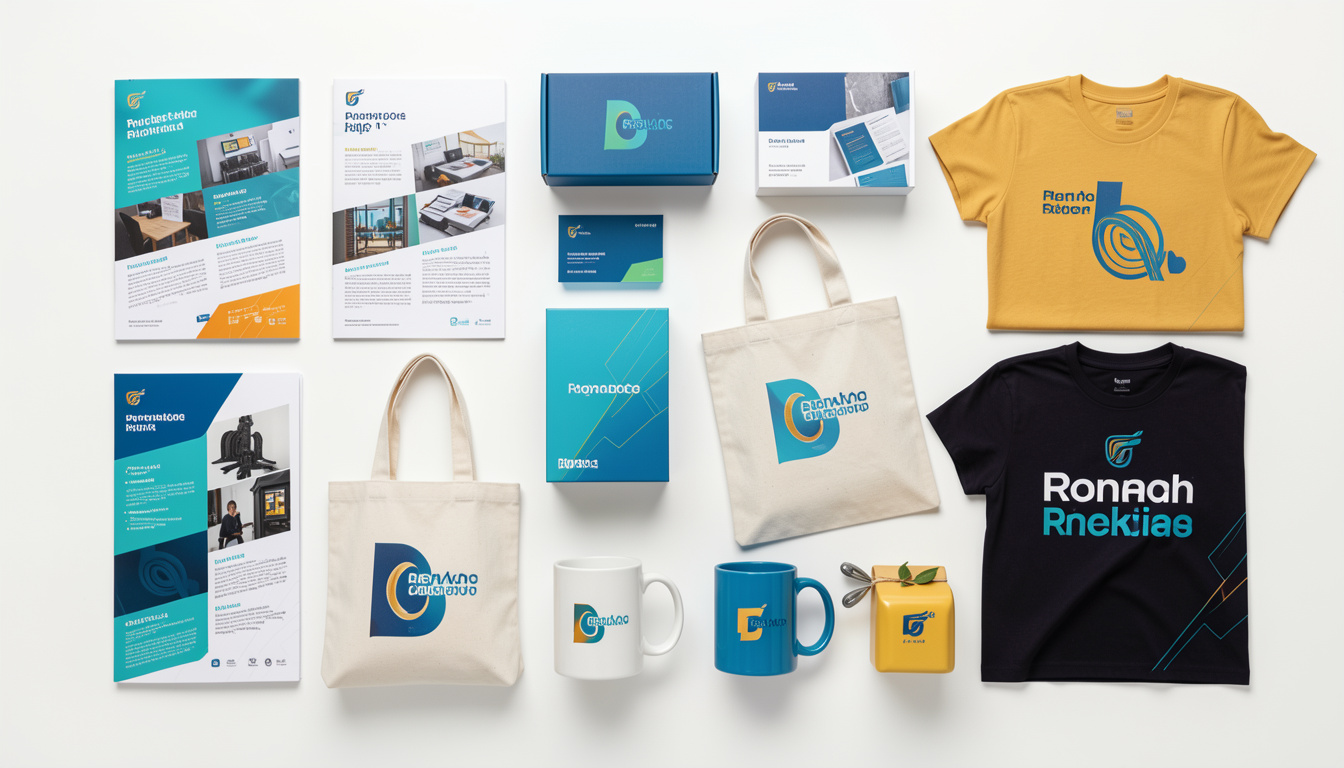
Different materials support different stages of the customer journey. Business cards create professional introductions, brochures explain products and services, company profiles communicate credibility, catalogues support product comparisons, and exhibition materials help businesses attract attention at events.
The right choice depends on three factors:
- Business objective
- Target audience
- Customer journey stage
Professional printing decisions should also consider production factors such as paper GSM, print quality, finishing options, artwork preparation and printing method.
This guide explains how businesses can select suitable marketing materials based on objectives, industries and practical printing considerations.
What Are Marketing Materials?
Marketing materials are printed or digital resources businesses use to promote their brand, communicate information and support customer decisions.
Common printed marketing materials include:
- Business cards
- Brochures
- Flyers
- Company profiles
- Catalogues
- Presentation folders
- Posters
- Exhibition displays
- Promotional products
Each format serves a different purpose depending on the audience, communication objective and stage of the buying process.
For example:
- Business cards provide contact information during networking.
- Brochures explain products, services or solutions.
- Company profiles present business capabilities and expertise.
- Catalogues help customers compare products.
- Exhibition materials increase visibility at events.
Effective marketing materials do more than distribute information. They help businesses communicate the right message to the right audience and support customer decisions.
The Role of Marketing Materials in the Customer Journey
Marketing materials support different stages of the customer journey by providing customers with the information they need at each decision stage.
The right material depends on what customers need to understand and how close they are to making a decision.
| Customer Journey Stage | Customer Need | Suitable Materials |
|---|---|---|
| Awareness | Discover your business | Flyers, posters, banners, promotional products |
| Interest | Learn about products or services | Brochures, service guides, product sheets |
| Evaluation | Compare options and build confidence | Company profiles, catalogues, proposals |
| Decision | Support final discussions | Presentation folders, quotations, technical documents |
| Retention | Maintain relationships | Thank-you cards, newsletters, loyalty materials |
Using different materials at each stage helps businesses communicate effectively. A flyer may create awareness, while a company profile or catalogue provides the detailed information needed during evaluation and decision-making.
Marketing Materials vs Sales Materials
Marketing materials and sales support materials serve different purposes within the customer journey.
Marketing materials focus on creating awareness and attracting attention, while sales materials help customers evaluate options and make purchasing decisions.
| Category | Purpose | Examples |
|---|---|---|
| Awareness Materials | Introduce your brand | Flyers, posters, banners |
| Educational Materials | Explain products and services | Brochures, catalogues, product sheets |
| Sales Support Materials | Support decision-making | Company profiles, proposals, presentation folders |
| Relationship Materials | Maintain customer engagement | Thank-you cards, newsletters, branded gifts |
Successful businesses use these materials together, moving customers from initial awareness to informed purchasing decisions.
Printed Marketing Materials vs Digital Marketing Materials
Printed and digital marketing work best when they support each other.
Printed materials create a physical brand experience through items such as business cards, brochures, catalogues and exhibition displays. They are especially valuable for meetings, events and situations where trust and presentation quality influence decisions.
Digital marketing provides wider reach, faster communication and measurable engagement through websites, social media, email and online campaigns.
The strongest strategy combines both channels. For example, brochures can include QR codes linking to websites, while digital campaigns can encourage customers to request printed information.
Why Printed Marketing Materials Still Matter
Printed materials remain valuable because they provide a physical experience that customers can revisit, share and retain.
They are particularly useful in B2B industries such as construction, real estate, manufacturing and professional services, where customers often review information, compare options and involve multiple decision-makers before purchasing.
Business cards, company profiles, brochures and catalogues continue to support trust, credibility and professional communication during face-to-face interactions.
Why Choosing the Right Marketing Materials Matters
Why Choosing the Right Marketing Materials Matters
Choosing the right marketing materials helps businesses communicate effectively while avoiding unnecessary printing costs.
The decision should be based on:
- Business objective
- Target audience
- Customer journey stage
For example, flyers may support awareness campaigns, while company profiles and catalogues are more suitable for detailed business discussions.
Strategic selection ensures every printed material has a clear purpose and contributes to business goals.
Selecting Materials Based on Business Goals
| Business Goal | Suitable Marketing Materials |
|---|---|
| Building brand awareness | Flyers, posters, banners, promotional products |
| Introducing products or services | Brochures, product sheets, catalogues |
| Supporting sales meetings | Company profiles, presentation folders, proposals |
| Exhibition and event marketing | Roll-up banners, exhibition displays, brochures |
| Customer retention | Thank-you cards, newsletters, branded gifts |
Print Quality and Brand Perception
The physical quality of marketing materials influences how customers perceive a business.
Paper thickness, finishing options and print accuracy all contribute to the final impression. A premium business card with the correct GSM, a professionally finished brochure or a well-produced company profile can communicate reliability and attention to detail.
Important production considerations include:
- Paper GSM and material selection
- Colour accuracy and brand consistency
- Image resolution and artwork quality
- Finishing options such as lamination, spot UV and foiling
- Durability based on how the material will be used
Achieving the right balance requires understanding how technical printing decisions influence appearance, durability and customer perception.
Technical Printing Factors That Affect Marketing Material Quality
The effectiveness of printed marketing materials depends not only on design but also on technical production decisions.
Important factors include:
Paper GSM
GSM (grams per square metre) refers to paper thickness and weight. Higher GSM papers generally provide a stronger and more premium feel, while lighter stocks are often suitable for high-volume promotional materials.
Colour Accuracy
Professional printing uses CMYK colour processing to reproduce consistent colours across brochures, business cards, catalogues and other marketing materials. Designs created in RGB colour mode may require conversion before printing because screen colours and printed colours are produced differently.
Resolution and Artwork Quality
Images used for professional printing should have sufficient resolution to avoid blurry results. Vector artwork is preferred for logos because it maintains quality at different sizes.
File preparation requirements such as bleed, trim area and safe margins also influence the final print outcome. Proper artwork setup helps prevent important text or design elements from being cut during finishing.
Finishing Options
Finishing techniques such as:
- Matte lamination
- Gloss lamination
- Spot UV
- Foiling
- Embossing
- Debossing
can improve appearance, durability and perceived value depending on the purpose of the material.
Print Method Selection
The choice between digital printing and offset printing depends on quantity, turnaround time, colour requirements and budget. Digital printing is often suitable for shorter runs and variable information, while offset printing is commonly preferred for larger quantities requiring consistent quality.
Professional Insight
The most effective marketing materials are not necessarily the most expensive or the most numerous—they are the ones that serve a clear purpose.
Every brochure, business card, catalogue or promotional product should answer a customer question, support a business objective or strengthen your brand. When each printed piece has a defined role within your marketing strategy, your investment delivers greater value and contributes to stronger, more consistent business growth.
Types of Marketing Materials Businesses Can Use
Different marketing materials support different business objectives, from creating awareness to supporting sales conversations and maintaining customer relationships.
The right choice depends on your audience, communication goal, distribution method and the amount of information customers need.
Common marketing materials include business cards, brochures, flyers, company profiles, catalogues, presentation folders, posters, banners and exhibition displays.
Business Cards
Business cards provide essential contact information and support professional networking during meetings, events and client interactions.
Best Used For:
- Networking events
- Client meetings
- Sales appointments
- Business introductions
Printing Considerations:
- Keep contact details clear and easy to read.
- Select cardstock GSM based on the desired brand impression.
- Consider finishes such as matte lamination, spot UV or foil stamping for premium positioning.
Brochures
Brochures provide more space than flyers or business cards to explain products, services and business solutions.
Best Used For:
- Service introductions
- Product presentations
- Client meetings
- Showrooms
- Sales discussions
Printing Considerations:
- Matte finishes are often suitable for professional brochures, while gloss finishes can enhance image-heavy designs.
- Choose paper weight based on usage and brand positioning.
- Use high-quality images for better visual presentation.
- Select folding styles based on content organisation.
Flyers
Flyers communicate focused messages quickly and are commonly used for promotions, events and short-term campaigns.
Best Used For:
- Promotional campaigns
- Grand openings
- Seasonal offers
- Local advertising
- Community events
Printing Considerations:
Use a clear headline, strong visuals and one primary call-to-action to encourage immediate response.
Company Profiles
Company profiles present a business’s background, expertise, capabilities and achievements.
Unlike brochures that focus on specific products or services, company profiles are designed to build credibility and support corporate decision-making.
Best Used For:
- Corporate presentations
- Investor meetings
- Tender submissions
- Partnership discussions
- Business development
Printing Considerations:
Premium paper, professional finishing and accurate brand presentation help reinforce credibility during important business discussions.
Product Catalogues
Product catalogues help customers review multiple products, specifications and options in an organised format.
Best Used For:
- Retail businesses
- Manufacturers
- Wholesalers
- Distributors
- Product showrooms
Printing Considerations:
Consider page count, paper quality, binding method and image reproduction to ensure products are presented clearly and accurately.
Presentation Folders
Presentation folders organise documents such as proposals, quotations, brochures and company information while creating a professional presentation experience.
Best Used For:
- Client presentations
- Sales meetings
- Corporate proposals
- Conferences
Printing Considerations:
Finishes such as matte lamination, spot UV and foil stamping can enhance premium corporate presentation.
Posters
Posters are designed to capture attention in public or indoor spaces. They communicate promotional messages through bold graphics and concise Posters
Posters use large-format printing to communicate promotional messages through bold visuals and concise information.
Best Used For:
- Retail promotions
- Product launches
- Events
- Public awareness campaigns
- Office branding
Printing Considerations:
Use high-resolution images and ensure text size is suitable for the intended viewing distance.
Roll-Up Banners
Roll-up banners provide portable branding solutions for exhibitions, conferences, reception areas and promotional events.
Best Used For:
- Trade exhibitions
- Conferences
- Product launches
- Reception areas
Printing Considerations:
Use strong headlines, minimal text and clear visuals that remain readable from several metres away.
Exhibition Displays
Exhibition displays help businesses create professional event environments that attract visitors and support face-to-face conversations.
They may include backdrops, counters, modular displays, flags and branded signage.
Best Used For:
- Trade shows
- Industry exhibitions
- Corporate events
- Product demonstrations
Printing Considerations:
Ensure all graphics maintain consistent branding and work together with brochures, business cards and other event materials.
Quick Guide: Which Marketing Material Should You Choose?
The right marketing material depends on your business objective, audience and where the customer is in the buying process.
| Business Objective | Recommended Materials | Purpose |
|---|---|---|
| First business introduction | Business cards, company profiles | Establish credibility and share essential information |
| Explaining services | Brochures, company profiles, service guides | Provide detailed information and build understanding |
| Promoting an offer | Flyers, posters, promotional materials | Encourage immediate action |
| Selling multiple products | Catalogues, product sheets | Help customers compare options |
| Corporate presentations | Presentation folders, brochures, proposals | Support professional discussions |
| Exhibition visibility | Roll-up banners, exhibition displays, brochures | Attract visitors and communicate key messages |
| Customer appreciation | Premium cards, branded gifts | Strengthen relationships |
Professional Insight
No single marketing material supports every business objective. The most effective approach is to combine materials that work together throughout the customer journey.
For example, a business card may create the first introduction, a brochure may explain services, a company profile may build credibility and a presentation folder may support final discussions.
Selecting materials based on purpose helps businesses avoid unnecessary printing costs and ensures every printed item contributes to a clear marketing strategy.
Choosing Marketing Materials by Industry
Different industries require different marketing materials because customers evaluate businesses in different ways.
A real estate company may need premium brochures and presentation folders to support high-value decisions, while a retailer may require flyers, posters and promotional materials to drive immediate purchases.
The right selection depends on industry expectations, customer behaviour and how the material will be used.
Real Estate
Real estate marketing materials should communicate trust, showcase properties and support high-value purchase decisions.
Recommended Materials
- Property brochures
- Company profiles
- Presentation folders
- Premium business cards
- Exhibition displays
Key Production Considerations
- Professional finishing for investor and buyer presentations
- High-quality image reproduction for property photography
- Premium paper stocks for luxury positioning
Retail
Retail businesses require marketing materials that attract attention quickly and encourage immediate purchasing decisions.
Printed materials are commonly used to promote offers, announce new arrivals and enhance the in-store shopping experience.
Recommended Marketing Materials
- Flyers
- Posters
- Window graphics
- Product catalogues
- Shelf talkers
- Price cards
- Shopping bags
Why They Work
Retail customers often make purchasing decisions within minutes. Clear promotional messaging and attractive product presentation help increase footfall and improve sales.
Healthcare
Healthcare materials should prioritise clarity, accuracy and patient education.
Marketing materials should educate rather than simply promote services.
Recommended Marketing Materials
- Patient information brochures
- Appointment cards
- Company profiles
- Health awareness leaflets
- Reception signage
- Educational posters
Build trust
Healthcare materials must prioritise clarity and accuracy. Well-designed brochures, appointment cards and information leaflets help patients understand services while reducing confusion during important decisions.
Hospitality
Hotels, restaurants and tourism businesses depend on presentation and customer experience.
Recommended Marketing Materials
- Menus
- Guest directories
- Promotional flyers
- Event brochures
- Room information folders
- Loyalty cards
- Branded stationery
Education
Educational institutions need marketing materials that inform prospective students while reflecting academic excellence and professionalism.
Recommended Marketing Materials
- Prospectuses
- Course brochures
- Event programmes
- Student handbooks
- Certificates
- Campus signage
Clear communication
Students and parents often compare multiple institutions before making decisions. Well-designed printed materials help communicate educational opportunities clearly and professionally.
Manufacturing and Industrial Businesses
Manufacturers often sell technical products that require detailed specifications and clear product information.
Marketing materials should support both sales teams and technical discussions.
Recommended Marketing Materials
- Product catalogues
- Technical data sheets
- Company profiles
- Presentation folders
- Exhibition displays
- Product labels
Why They Work
Detailed printed materials make it easier for distributors, engineers and procurement teams to evaluate products and compare technical information.
Construction
Construction companies regularly present proposals, project portfolios and corporate capabilities to developers, consultants and government organisations.
Professional presentation plays an important role in winning contracts.
Recommended Marketing Materials
- Company profiles
- Capability statements
- Project portfolios
- Tender presentation folders
- Safety signage
- Exhibition displays
Why They Work
Construction projects often involve multiple decision-makers. Professionally printed documents demonstrate organisation, capability and attention to detail.
Professional Services
Law firms, financial consultants, accounting firms and business advisors rely heavily on reputation and trust.
Recommended Marketing Materials
- Business cards
- Company profiles
- Presentation folders
- Corporate brochures
- Proposal documents
- Branded stationery
Why They Work
Professional service providers benefit from polished marketing materials that reinforce credibility during meetings and client presentations.
E-commerce Businesses
Although e-commerce businesses operate online, printed marketing materials continue to play an important role in enhancing the customer experience.
Packaging inserts, branded thank-you cards and promotional materials help strengthen customer relationships after a purchase.
Recommended Marketing Materials
- Product packaging
- Thank-you cards
- Promotional inserts
- Stickers and labels
- Loyalty cards
- Branded promotional products
Why They Work
Printed materials extend the online shopping experience into the physical world, encouraging repeat purchases and improving brand recall.
Quick Guide: Marketing Materials by Industry
| Industry | Most Commonly Used Materials |
|---|---|
| Real Estate | Property brochures, company profiles, presentation folders |
| Retail | Flyers, posters, catalogues, shopping bags |
| Healthcare | Information brochures, appointment cards, signage |
| Hospitality | Menus, guest materials, promotional brochures |
| Education | Prospectuses, event materials, certificates |
| Manufacturing | Product catalogues, technical sheets, company profiles |
| Construction | Capability statements, project portfolios, tender documents |
| Professional Services | Business cards, proposals, company profiles |
| E-commerce | Packaging inserts, labels, thank-you cards |
Professional Insight
Industry selection should be based on how customers make decisions.
A construction company may need detailed capability documents, while a retailer may need high-visibility promotional materials. The most effective approach is choosing formats that match customer expectations and support the buying process.
Printed Marketing Materials vs Digital Marketing: Which Is Better for Your Business?
Printed and digital marketing serve different purposes within the customer journey.
Digital channels help businesses reach audiences quickly, generate online engagement and measure campaign performance. Printed materials support physical interactions, sales conversations and situations where customers need professional information they can review and share.
The most effective strategy depends on business goals, customer behaviour and how decisions are made.
Understanding the Difference
Printed marketing materials are physical communication tools such as brochures, business cards, catalogues, flyers and presentation folders.
Digital marketing materials are electronic resources distributed through websites, email, social media, search engines and online platforms.
Both support brand awareness and customer communication, but they create different types of customer experiences.
Print Marketing vs Digital Marketing Comparison Table
| Factor | Printed Marketing Materials | Digital Marketing |
|---|---|---|
| Customer Experience | Physical and tangible | Screen-based and interactive |
| Brand Perception | Often perceived as more professional and credible | Depends on platform and content quality |
| Reach | Best for targeted distribution | Can reach large audiences quickly |
| Longevity | Can be kept and reused for months or years | Often short-lived unless saved |
| Personal Interaction | Excellent for meetings, exhibitions and networking | Ideal for remote communication |
| Speed of Distribution | Requires printing and delivery | Instant publication |
| Content Updates | Requires reprinting | Can be updated immediately |
| Performance Tracking | More difficult to measure directly | Detailed analytics available |
| Best Use Cases | Corporate meetings, events, retail, direct marketing | Websites, social media, email, online advertising |
Neither approach is inherently better. Their effectiveness depends on how they are used within your overall marketing strategy.
When Printed Marketing Materials Are the Better Choice
Printed materials are particularly valuable when businesses want to create a lasting impression or support face-to-face interactions.
They are especially effective for:
- Networking events
- Corporate presentations
- Trade exhibitions
- Retail promotions
- Product catalogues
- High-value sales meetings
- Luxury branding
- Direct mail campaigns
A professionally printed brochure or company profile often communicates quality and credibility more effectively than sending a digital file alone.
When Digital Marketing Is the Better Choice
Digital marketing is useful when businesses require fast communication, wider reach and measurable campaign performance.
Common applications include:
- Search engine visibility
- Social media marketing
- Email campaigns
- Online lead generation
- Website traffic
- Time-sensitive promotions
Analytics allow businesses to measure engagement and improve future campaigns.
Why the Best Strategy Combines Print and Digital
The strongest marketing strategies connect physical and digital channels.
For example, a customer may discover a company online, receive printed information during a meeting and return to the website for additional details.
Each channel supports the customer journey by providing information in the format most suitable at that stage.
Examples of an Integrated Marketing Strategy
Product Launches
Businesses can combine digital campaigns, email marketing, printed brochures, exhibition displays and promotional materials to create consistent product awareness.
Corporate Sales
Sales teams often combine online prospecting with printed company profiles, catalogues and presentation folders during meetings.
Retail Promotions
Retailers can connect social media campaigns with printed flyers, posters, window graphics and loyalty materials to increase customer engagement.
Professional Insight
Print and digital marketing should not be viewed as competing channels.
Digital platforms are effective for discovery, communication and measurement, while printed materials remain valuable for personal interactions, professional presentations and customer retention.
Businesses achieve better results when each channel is selected based on its role in the customer journey.
Factors to Consider Before Choosing Marketing Materials
Selecting marketing materials should never be a random decision or based solely on what competitors are using. The most effective marketing materials are chosen after carefully evaluating your business objectives, target audience, budget and the way customers interact with your brand.
A brochure may be the perfect choice for one business but provide little value for another. Similarly, investing in premium catalogues may not be necessary if your primary objective is promoting a short-term sales campaign.
The following factors help businesses select materials that match their objectives, audience expectations and practical requirements.
Understand Your Target Audience
Every marketing material should have a clear purpose.
Before deciding what to print, ask yourself:
- What do I want this marketing material to achieve?
- Who is it intended for?
- What action should the customer take after receiving it?
For example, if your objective is to increase brand awareness, posters, flyers and promotional products may be more suitable than a detailed company profile. If your goal is supporting sales presentations, brochures, catalogues and presentation folders will provide greater value.
A clear objective prevents businesses from choosing materials based only on popularity or competitor activity.
Understand Your Target Audience
The same marketing material will not appeal to every customer.
Understanding your audience helps determine both the type of material and how the information should be presented.
Consider factors such as:
- Industry
- Profession
- Age group
- Buying behaviour
- Decision-making process
- Preferred communication style
For example, corporate executives often appreciate professionally printed company profiles and premium business cards, while retail customers are more likely to respond to promotional flyers and point-of-sale materials.
Consider Your Budget
Budget decisions should focus on selecting materials that provide value for the intended purpose.
Businesses should focus on selecting marketing materials that provide the greatest value for their specific objectives.
Rather than printing every available marketing item, invest in materials that customers are most likely to use and remember.
For example, a start-up may achieve stronger results with professionally designed business cards, brochures and a company profile than by producing an extensive range of promotional items.
Strategic spending often delivers a better return on investment than simply increasing print volume.
Match Marketing Materials to Your Brand Positioning
Your printed materials should reflect how you want customers to perceive your business.
A luxury brand may choose premium paper stocks, elegant finishes and minimalist designs, while a retail business may prioritise colourful promotional materials designed to attract immediate attention.
Every element, including paper quality, printing finish, colours and typography, contributes to the overall impression of your brand.
Consistent presentation across all marketing materials reinforces professionalism and builds trust.
Consider Distribution and Usage
Distribution plays an important role in determining the most appropriate marketing materials.
Ask yourself:
Will these materials be handed out during meetings?
Displayed in a showroom?
Distributed at an exhibition?
Included inside product packaging?
Sent through direct mail?
Placed in retail locations?
The distribution method affects decisions about size, durability, portability and production quantity.
For example, exhibition visitors often prefer lightweight brochures and branded promotional products that are easy to carry, while presentation folders are better suited for formal client meetings.
Decide How Much Information Customers Need
Different marketing materials are designed to communicate different levels of detail.
A business card introduces your business and provides contact information.
A flyer promotes a single offer or event.
A brochure explains products and services.
A catalogue presents an entire product range.
A company profile introduces your organisation, expertise and capabilities.
Selecting the right format depends on how much information customers need before making a purchasing decision.
Trying to include too much information on a flyer or too little information in a company profile reduces effectiveness.
Plan for Future Updates
Consider how frequently the information will change before deciding print quantities.
Businesses should consider how often information is likely to change.
Examples include:
- Product pricing
- Service offerings
- Staff details
- Contact information
- Promotional campaigns
Materials that require frequent updates may benefit from smaller print runs, while evergreen materials such as business cards or company profiles can often be printed in larger quantities.
Planning ahead helps reduce unnecessary waste and reprinting costs.
Maintain Quality Standards
Print quality influences how customers perceive your business.
Paper selection, colour accuracy, finishing and overall production quality should match the purpose of the material and the expectations of your audience.
Ensure Consistent Branding
Your marketing materials should immediately be recognisable as part of the same brand.
Consistency includes:
- Logo placement
- Brand colours
- Typography
- Photography style
- Messaging
- Tone of voice
When every marketing material follows the same visual identity, customers develop stronger brand recognition and greater confidence in your business.
Consider Print Production Requirements
Practical production factors also influence your choice of marketing materials.
These include:
- Required print quantity
- Production timeline
- Paper selection
- Finishing options
- Binding requirements
- Delivery deadlines
Planning these requirements early helps avoid delays and ensures the finished materials meet your expectations.
Decision-Making Checklist
Before selecting any marketing materials, ask yourself:
✓ What is the primary objective?
✓ Who is the target audience?
✓ Which stage of the customer journey does this support?
✓ Does it reflect our brand positioning?
✓ Will customers find it useful?
✓ Is the information appropriate for the chosen format?
✓ Does the quality represent our business?
✓ Can it be integrated with our digital marketing?
If you can confidently answer each of these questions, you are far more likely to choose marketing materials that support your business goals and deliver long-term value.
Professional Insight
The right marketing materials are chosen based on purpose, audience and usage—not simply cost or popularity.
Businesses that consider strategy before printing create materials that communicate more effectively, strengthen their brand and reduce unnecessary printing costs.
How to Build a Complete Marketing Materials Package
A marketing materials package is a coordinated collection of printed items designed to support specific business goals, customer interactions and sales activities.
The right package depends on your business stage, industry and customer journey. A start-up may need essential credibility materials, while an established company may require advanced sales, exhibition and corporate communication materials.
Marketing Materials Package for Start-ups
Start-ups should prioritise essential materials that establish credibility, support networking and help introduce their services professionally.
Recommended Marketing Materials
| Marketing Material | Purpose |
|---|---|
| Business Cards | Share contact information and support networking. |
| Company Profile | Introduce the business, services and expertise. |
| Brochure | Explain products or services in greater detail. |
| Letterhead & Envelopes | Present professional business correspondence. |
| Branded Presentation Folder | Organise quotations and proposals. |
This combination provides a strong foundation that supports business development while maintaining a consistent brand identity.
Marketing Materials Package for Small and Medium-Sized Businesses
Growing businesses usually require materials that support sales activities, customer communication and brand visibility.
Recommended Marketing Materials
| Marketing Material | Purpose |
|---|---|
| Business Cards | Professional networking and introductions. |
| Company Profile | Build trust during client meetings. |
| Brochures | Promote products and services. |
| Product Catalogues | Showcase product ranges where applicable. |
| Presentation Folders | Deliver organised proposals and sales documents. |
| Promotional Products | Increase long-term brand visibility. |
| Roll-Up Banners | Support exhibitions and events. |
Together, these materials help businesses communicate consistently across multiple customer interactions.
Marketing Materials Package for Corporate Organisations
Corporate organisations typically require materials that maintain consistency across client meetings, partnerships and professional communications.
Their marketing materials should reflect professionalism, consistency and strong corporate branding.
Recommended Marketing Materials
| Marketing Material | Purpose |
|---|---|
| Premium Business Cards | Executive networking. |
| Corporate Company Profile | Present organisational capabilities. |
| Annual Reports | Communicate company performance. |
| Presentation Folders | Support corporate meetings. |
| Product or Service Catalogues | Present detailed offerings. |
| Corporate Stationery | Reinforce brand consistency. |
| Exhibition Displays | Represent the business at industry events. |
| Premium Promotional Gifts | Strengthen business relationships. |
High-quality materials reinforce the organisation’s reputation and demonstrate attention to detail.
Marketing Materials Package for Retail Businesses
Retail materials should prioritise visibility, customer engagement and purchase decisions.
Printed materials should be visually engaging, easy to understand and suitable for high-volume distribution.
Recommended Marketing Materials
| Marketing Material | Purpose |
|---|---|
| Promotional Flyers | Advertise offers and promotions. |
| Posters | Attract attention in-store. |
| Product Catalogues | Showcase available products. |
| Shelf Talkers & Display Cards | Highlight featured products. |
| Shopping Bags | Extend brand visibility beyond the store. |
| Loyalty Cards | Encourage repeat business. |
| Product Labels & Stickers | Improve product presentation. |
These materials work together to enhance both the shopping experience and overall brand recognition.
Marketing Materials Package for Trade Shows and Exhibitions
Exhibition materials should attract visitors, communicate your value and support follow-up sales conversations.
Recommended Marketing Materials
| Marketing Material | Purpose |
|---|---|
| Exhibition Backdrop | Maximise stand visibility. |
| Roll-Up Banners | Highlight key products or services. |
| Brochures | Provide detailed information. |
| Business Cards | Exchange contact information. |
| Presentation Folders | Organise sales documents. |
| Promotional Products | Increase brand recall after the event. |
| Branded Apparel | Reinforce team professionalism. |
When designed consistently, these materials create a cohesive exhibition experience that strengthens brand recognition.
Marketing Materials Package for Premium and Luxury Brands
Luxury brands often use premium materials and finishing techniques to reinforce perceived value.
Every printed item should reinforce the premium nature of the brand through refined design, superior materials and high-end finishing techniques.
Recommended Marketing Materials
| Marketing Material | Purpose |
|---|---|
| Premium Business Cards | Create an exceptional first impression. |
| Luxury Brochures | Showcase products and craftsmanship. |
| High-End Catalogues | Present collections professionally. |
| Premium Packaging | Enhance the customer experience. |
| Foil-Stamped Presentation Folders | Support executive meetings. |
| Exclusive Corporate Gifts | Strengthen relationships with high-value clients. |
Attention to detail is particularly important for luxury brands, as customers often associate print quality with product quality.
Should Businesses Print Every Type of Marketing Material?
Not necessarily.
Printing every available marketing material rarely produces the best results. Instead, businesses should select materials that support their customer journey, sales process and marketing objectives.
A local service provider may never need a printed catalogue, while a manufacturer may consider one essential. Similarly, an e-commerce business may place greater emphasis on branded packaging than exhibition displays.
The most successful marketing strategies are tailored to the specific needs of the business rather than following a standard checklist.
Professional Insight
A complete marketing materials package is not measured by the number of printed items a business owns but by how effectively those materials work together.
Every printed item should support a clear business objective and create a consistent customer experience. When every marketing material complements the others, businesses create a stronger brand presence, communicate more effectively and maximise the value of their printing investment.
Common Mistakes Businesses Make When Choosing Marketing Materials
Choosing marketing materials without proper planning can lead to wasted budget, outdated information and materials that fail to support business objectives. Understanding common mistakes helps businesses make better printing decisions.
Choosing Marketing Materials Without a Clear Objective
Every marketing material should support a specific purpose, whether creating awareness, generating enquiries or supporting sales discussions.
Selecting materials without a clear objective often results in unnecessary printing and poor customer engagement.
Trying to Communicate Too Much Information
Each marketing material should match the amount of information customers need at that stage of the buying journey.
Flyers should communicate quickly, while brochures, catalogues and company profiles can provide more detailed information.
Ignoring the Needs of the Target Audience
Marketing materials should be designed around customer needs, not internal preferences.
Technical buyers may require specifications and detailed information, while consumers often respond better to simple messaging and strong visuals.
Inconsistent Branding Across Marketing Materials
Using different logos, colours, typography or messaging across brochures, business cards, banners and catalogues creates confusion and weakens brand recognition.
A consistent visual identity builds trust and reinforces your company’s professionalism across every customer interaction.
Prioritising Low Cost Over Quality
Reducing cost is important, but choosing the cheapest option can negatively affect brand perception. Paper quality, colour accuracy and finishing should match the purpose of the material.
Choosing the Wrong Printing Method or Materials
Not every printing technique or paper stock is suitable for every marketing material.
The correct paper stock, finishing and printing method depend on quantity, usage, durability requirements and budget.
Forgetting a Clear Call-to-Action
Every marketing material should guide customers toward the next step, such as contacting your business, visiting your website or requesting a quotation.
Printing the Wrong Quantity
Printing quantities should consider campaign duration, information changes and expected usage to avoid waste or unnecessary reorders.
Treating Print and Digital Marketing as Separate Strategies
Print and digital marketing work best together. QR codes, website links and online campaigns can connect physical materials with measurable digital actions.
Failing to Review Artwork Before Printing
Artwork errors remain one of the most avoidable causes of wasted printing costs.
Spelling mistakes, incorrect contact information, low-resolution images and colour inconsistencies can all reduce the professionalism of your marketing materials.
Always review artwork carefully and approve final proofs before production begins. A thorough review process helps prevent costly reprints and ensures the finished materials accurately represent your business.
Professional Insight
The most successful marketing materials are created with purpose, consistency and careful planning.
Effective marketing materials are not selected based on appearance or price alone. Each printed piece should support a specific customer need, reflect the brand identity and serve a clear role within the buying journey.
Professional Tips for Choosing More Effective Marketing Materials
Selecting the right marketing materials is only the beginning. Professional results depend on choosing specifications, designs and production methods that match the purpose of each printed item.
Start With Your Business Goals, Not the Product
Before deciding whether to print brochures, catalogues or promotional products, clearly define what you want to achieve.
If your goal is to generate new leads, your marketing materials should encourage enquiries. If your objective is strengthening customer relationships, premium printed materials and branded gifts may be more appropriate.
Defining the objective first helps businesses select materials that deliver better results.
Focus on Quality Instead of Quantity
Customers often associate the physical quality of printed materials with the professionalism of the business behind them.
However, quality does not always mean choosing the most expensive option. The right specification depends on how the material will be used.
For example:
- A business card may benefit from thicker cardstock and premium finishing because it represents the first personal interaction with your brand.
- A company profile or proposal document may justify premium paper, lamination and refined finishing because it supports important business decisions.
The goal is to select production quality that matches the purpose, audience and expected lifespan of each marketing material.
Keep Your Branding Consistent
Every marketing material should look like it belongs to the same business.
Using consistent colours, typography, imagery and messaging across business cards, brochures, catalogues, banners and promotional products strengthens brand recognition and creates a more professional customer experience.
Choose Materials That Customers Will Keep
The most valuable marketing materials continue promoting your business long after they have been distributed.
A useful notebook, premium catalogue or professionally designed company profile is more likely to remain on a customer’s desk than a generic promotional leaflet.
When selecting marketing materials, consider whether the recipient is likely to keep, use or refer to the item in the future.
Match Print Finishes to Your Brand Image
The finish applied to marketing materials influences appearance, durability and brand perception.
Options such as matte lamination, gloss lamination, spot UV, foil stamping, embossing and debossing should be selected based on the purpose of the material.
Premium finishes are often suitable for business cards, company profiles and luxury packaging, while practical materials may require simpler finishing solutions focused on durability and readability.
Design for Readability Before Decoration
An attractive design should never come at the expense of clear communication.
Marketing materials should be easy to read, well organised and visually balanced. Headlines should capture attention, supporting content should be concise and important information should be easy to find.
A clean, structured layout almost always performs better than a design crowded with excessive text or unnecessary graphics.
Integrate Print With Digital Marketing
Printed marketing materials are most effective when they become part of a wider customer journey.
Businesses can connect physical materials with digital experiences through:
- QR codes linking to product pages or quotation forms
- Digital catalogues connected to printed brochures
- Tracking URLs for campaign measurement
- Social media profiles included on event materials
- Online booking or enquiry forms
For example, an exhibition brochure may introduce a service while directing visitors to a detailed online case study or consultation request form.
This approach allows businesses to combine the credibility of print with the measurement advantages of digital marketing.
Review Every Artwork Carefully Before Printing
Even small mistakes can reduce the effectiveness of professionally printed marketing materials.
Before approving artwork, verify that:
- Contact information is correct.
- Logos are high resolution.
- Colours match your brand guidelines.
- Images are suitable for commercial printing.
- Bleed, margins and document size meet printing requirements.
Professional artwork preparation is one of the most important stages in achieving consistent print quality. Many printing problems occur because files are created for screen viewing rather than commercial production. A thorough proofing process helps avoid production delays, unnecessary reprints and additional costs.
Update Marketing Materials Regularly
Businesses evolve over time, and marketing materials should evolve with them.
Review your printed materials periodically to ensure they accurately reflect your current branding, products, services and contact information.
Outdated marketing materials can create confusion and reduce customer confidence, particularly if they contain obsolete offers, discontinued products or incorrect contact details.
Work With an Experienced Printing Partner
Professional printing decisions involve more than selecting a product from a catalogue.
An experienced printing provider can help determine:
- Whether digital or offset printing is more suitable
- The correct paper GSM and stock for the application
- Appropriate finishing options
- Artwork requirements
- Production timelines
- Quantity recommendations
For businesses in the UAE, this guidance is particularly valuable for corporate printing, exhibitions, retail campaigns and large-volume marketing projects where quality consistency and deadlines are critical.
Early consultation helps prevent production issues, unnecessary costs and unsuitable material choices.
Consider Printing Method Before Finalising Your Order
The printing method can influence cost, quality and turnaround time.
Digital Printing
Best suited for:
- Short print runs
- Personalised materials
- Fast turnaround requirements
- Small business campaigns
Offset Printing
Best suited for:
- Large quantities
- Consistent colour reproduction and brand accuracy
- Corporate brochures
- Catalogues and premium marketing materials
Choosing the correct printing method helps businesses achieve the right balance between quality, budget and production efficiency.
Professional Insight
The most effective marketing materials are carefully planned, professionally produced and aligned with clear business objectives.
Successful businesses treat printing as part of their marketing strategy, considering material selection, design, production quality and distribution together to create a consistent customer experience.
Marketing Materials Planning Checklist
Choosing effective marketing materials requires planning before printing begins. A structured checklist helps businesses select the right formats, prepare accurate artwork, control costs and ensure every printed item supports a clear business objective.
Use this checklist before approving your next printing project.
Step 1: Define Your Objective
Define what the material needs to achieve:
- Are you introducing your business to new customers?
- Are you promoting a product or service?
- Are you supporting a sales presentation?
- Are you preparing for an exhibition or event?
- Are you strengthening relationships with existing customers?
A clear objective will determine which marketing materials are most appropriate.
Step 2: Understand Your Audience
Consider who will receive your marketing materials.
Think about:
- Their industry
- Their interests
- Their level of product knowledge
- Their buying behaviour
- The information they need before making a decision
Audience understanding determines the right format, message depth and design approach.
Step 3: Select the Right Marketing Materials
Choose materials that match both your objectives and your audience.
For example:
| Business Objective | Recommended Materials |
|---|---|
| Networking | Business cards, company profiles |
| Product promotion | Brochures, flyers, catalogues |
| Corporate meetings | Presentation folders, company profiles |
| Retail marketing | Posters, flyers, shelf displays |
| Trade shows | Roll-up banners, brochures, promotional products |
| Customer retention | Thank-you cards, loyalty cards, branded gifts |
The correct choice depends on your customer journey stage, information requirements and method of distribution.
Step 4: Prepare Professional Artwork
Before sending files to production, confirm that artwork meets professional printing requirements.
Ensure your files:
- Use the correct document dimensions.
- Include the required bleed.
- Use CMYK colour mode for commercial printing.
- Contain high-resolution images.
- Use vector logos where possible.
- Include embedded or outlined fonts when required.
Well-prepared artwork reduces production delays and helps achieve the best possible print quality.
Step 5: Choose Suitable Materials and Finishes
Paper selection and finishing choices influence appearance, durability and customer perception.
Consider:
- Paper thickness
- Paper finish
- Lamination
- Foil stamping
- Embossing
- Spot UV
- Binding options
Choose finishes that complement your brand image and the intended use of the marketing material.
Step 6: Estimate Print Quantities
Ordering the correct quantity helps control costs and reduce waste.
When estimating quantities, consider:
- Campaign duration
- Event attendance
- Expected customer demand
- Storage capacity
- How frequently information changes
Printing the right quantity helps maximise your marketing investment.
Step 7: Proofread Everything Carefully
Before approving production, review every detail.
Check:
- Spelling and grammar
- Contact information
- Website URLs
- QR codes
- Product names
- Pricing
- Images
- Alignment and layout
Even minor errors can damage credibility and create avoidable reprinting costs.
Step 8: Confirm Production Requirements Before Printing
Before approving production, confirm:
- Final quantity
- Required delivery date
- Paper specification
- Finishing requirements
- Packaging requirements
- Delivery locations
Clear production planning helps avoid delays and ensures materials are ready when required.
Step 9: Evaluate Results After Distribution
The planning process should continue even after your marketing materials have been distributed.
Review whether your materials helped achieve the intended objective by measuring outcomes such as:
- Customer enquiries
- Sales opportunities
- Event engagement
- Website traffic
- QR code scans
- Customer feedback
- Repeat business
Evaluating performance helps improve future marketing campaigns and ensures your printing investment continues to deliver value.
UAE Business Consideration
Businesses in the UAE often require marketing materials for exhibitions, corporate meetings, real estate presentations, retail campaigns and seasonal promotions.
These applications often involve strict deadlines, making early production planning essential.
Factors such as local event schedules, delivery timelines, material availability and finishing requirements should be considered before placing large print orders.
Professional Insight
Successful marketing materials are the result of careful planning rather than last-minute decisions.
Businesses that define clear objectives, understand their audience, prepare professional artwork and choose suitable production methods consistently achieve better results. A structured planning process helps reduce waste, improve print quality and ensure every marketing material supports a clear business purpose.
Frequently Asked Questions About Choosing Marketing Materials
1. What are marketing materials?
Marketing materials are printed or digital resources businesses use to communicate with customers, promote products or services and support sales activities. Common printed examples include business cards, brochures, flyers, company profiles, catalogues and exhibition materials.
2. Why are printed marketing materials still important?
Printed marketing materials remain important because they create a physical customer experience that digital channels cannot fully replace. They are especially useful during meetings, exhibitions, networking events and sales discussions where customers need information they can review and share.
3. How do I choose the right marketing materials for my business?
The best marketing materials depend on your business goals, target audience and the stage of the customer journey you want to support.
For example, business cards are ideal for networking, brochures help explain products and services, company profiles build credibility during meetings and promotional products increase long-term brand visibility. The best choice depends on your objective, audience, information requirements and customer journey stage.
4. Which marketing materials does every business need?
Most businesses start with essential materials such as business cards, company profiles, brochures or service guides and presentation folders. Additional materials such as catalogues, exhibition displays and promotional products should be selected based on industry requirements and marketing activities.
5. Are brochures better than flyers?
Neither option is better in every situation because they serve different purposes.
Brochures are designed to provide detailed information about your business, products or services and are commonly used during meetings and sales presentations. Flyers are intended to communicate a single message quickly, making them ideal for promotions, events and local advertising campaigns.
The right choice depends on how much information your audience needs and the objective of your campaign.
6. What is the difference between a company profile and a brochure?
A company profile introduces your business by explaining its background, expertise, values and capabilities. It is often used during corporate meetings, partnership discussions and tender submissions.
A brochure focuses on promoting specific products or services. While a company profile builds confidence in your organisation, a brochure helps customers understand what you offer and why they should choose your business.
7. Should small businesses invest in printed marketing materials?
Small businesses can benefit significantly from professional marketing materials because they help establish credibility and create stronger first impressions. A focused selection of business cards, brochures and company profiles is often enough to support networking and customer meetings.
8. How often should marketing materials be updated?
Marketing materials should be reviewed whenever significant changes occur within your business. This may include new branding, updated contact information, expanded product ranges, revised pricing or changes to your services.
Regular reviews help prevent outdated information, incorrect contact details and inconsistent branding.
9. Can printed and digital marketing work together?
Yes. In fact, businesses often achieve the best results by combining both approaches.
Printed marketing materials can direct customers to digital resources using QR codes, website links or social media profiles, while digital campaigns can encourage prospects to request printed brochures, catalogues or company profiles. This integrated approach creates a consistent customer experience across multiple channels.
10. What should I consider before printing marketing materials?
Before printing, businesses should consider objectives, audience, budget, quantity, distribution method, artwork quality, paper selection and finishing requirements. Proper planning reduces waste and improves the final result.
11. Which marketing materials are best for exhibitions and trade shows?
Businesses exhibiting at trade shows typically benefit from a combination of exhibition displays, roll-up banners, brochures, business cards, presentation folders and promotional products.
Together, these materials improve visibility, communicate key information and support post-event follow-up. Consistent branding across every item also strengthens your company’s visibility throughout the exhibition.
12. How can businesses measure the success of their marketing materials?
The effectiveness of marketing materials can be measured by evaluating how well they support your marketing objectives. This may include tracking customer enquiries, sales opportunities, event engagement, QR code scans, website visits, repeat business or customer feedback.
Rather than measuring success by the number of items distributed, businesses should assess whether their marketing materials helped generate meaningful customer interactions and contributed to business growth.
Final Expert Insight
Choosing the right marketing materials is not about printing more—it is about selecting materials that support a clear business objective.
Every brochure, business card, company profile, catalogue or promotional product should have a defined role within the customer journey. The most effective businesses combine different materials to create consistent communication across networking events, meetings, exhibitions, retail environments and digital channels.
Print quality also influences customer perception. Paper selection, finishing, colour accuracy and professional artwork preparation all contribute to how customers evaluate a brand.
The best marketing materials solve a communication challenge, answer customer questions and help move prospects toward a purchasing decision. When every printed piece has a purpose, businesses achieve stronger brand consistency and better value from their marketing investment.
Soft Call-to-Action
Selecting the right marketing materials involves more than choosing what to print. It requires understanding your objectives, audience, branding requirements and the most suitable printing approach for each application.
At Total Printing Solutions UAE, we help businesses create professional marketing materials that support branding, sales and customer communication. From business cards and brochures to company profiles, catalogues, exhibition graphics and complete corporate printing solutions, our team helps you select materials that match your goals.
Contact Total Printing Solutions UAE to discuss the right marketing materials for your next business requirement.