د.إ0.00
Where Can I Find a Reliable Printing Company in Dubai?
Quick Answer
To choose a reliable printing company in Dubai, compare print quality, relevant experience, production capability, material options, artwork checking, turnaround time, communication, and delivery support rather than choosing based on price alone.
Before placing an order, ask the printer for relevant samples, confirm the production and delivery timeline, check whether artwork is reviewed before production, and make sure the company has experience with the type of project you need.
For businesses with recurring printing requirements, it can also be useful to work with one printing partner that can handle related services such as business stationery, marketing materials, signage, exhibition graphics, packaging, and branded products while maintaining consistent specifications and brand presentation.
Introduction
Choosing a printing company in Dubai is not simply about finding the lowest quotation. The right supplier should be able to produce consistent print quality, recommend suitable materials, identify artwork issues before production, communicate realistic timelines, and deliver according to your project requirements.
The right choice also depends on what you are printing. Business cards, brochures, packaging, signage, exhibition graphics, and hospitality materials can require different materials, finishing methods, production processes, and delivery arrangements.
This guide explains the key factors businesses should evaluate before choosing a printing company in Dubai, including print quality, production capability, materials, artwork checking, turnaround time, communication, delivery, and long-term reliability.
How to Choose a Reliable Printing Company in Dubai
A reliable printing company should be evaluated against the requirements of your specific project rather than price alone. Before choosing a supplier, compare print quality, relevant experience, production capability, material options, artwork checking, turnaround time, communication, and delivery support.
The right criteria depend on what you are printing. Business cards, brochures, packaging, signage, and exhibition graphics can require different production methods, materials, finishing, and delivery arrangements.
Use the following checklist when comparing printing companies in Dubai:
| What to Check | What to Look For | Why It Matters |
|---|---|---|
| Print quality | Clear output, accurate colours, clean cutting and finishing | Protects your brand presentation |
| Relevant experience | Experience with your product type or project | Reduces production and specification errors |
| Production capability | Suitable equipment, processes, and finishing options | Ensures the supplier can handle the project properly |
| Material options | Materials suited to the application and environment | Improves durability and appearance |
| Artwork checking | Pre-press review before production | Helps prevent avoidable printing errors |
| Turnaround | Realistic production and delivery timeline | Reduces deadline risk |
| Communication | Clear quotations, approvals, and updates | Prevents misunderstandings |
| Delivery | Dubai/UAE delivery and project support where applicable | Helps keep projects on schedule |
1. Consistent Print Quality
Print quality should be assessed using physical samples or previous work where possible, not only digital mockups.
Look for:
- Sharp text and images
- Consistent colour reproduction
- Clean cutting and finishing
- Suitable print resolution
- Consistent results across repeat orders
For brand-sensitive materials such as business cards, brochures, packaging, and exhibition graphics, consistency between different print runs is particularly important.
2. Relevant Experience and Production Capability
Different printing projects require different production knowledge.
For example:
- Exhibition projects may require large-format production, strict deadlines and site coordination.
- Packaging requires appropriate materials, accurate cutting and finishing.
- Corporate stationery requires consistent colours, paper stocks and repeat-order accuracy.
- Restaurant and hospitality printing may require durable, easy-to-clean materials.
Choose a supplier that can demonstrate relevant experience with the type of printing you actually need rather than relying only on a broad service list.
3. Service Range Relevant to Your Requirements
A printing company does not need to offer every possible product. What matters is whether it can reliably handle the categories relevant to your business.
Depending on your requirements, this may include:
- Business stationery
- Marketing materials
- Signage and large-format printing
- Exhibition and event graphics
- Packaging
- Branded promotional materials
A broader service range can be useful when several related projects need to be coordinated, but production quality and relevant experience should come before the number of services offered.elevance and production quality should come before service count.
4. Communication and Support
Clear communication is one of the easiest ways to assess a printing supplier before production begins.
A reliable supplier should be able to:
- Respond clearly to enquiries
- Explain material and printing options
- Confirm specifications before production
- Review artwork where applicable
- Provide a clear quotation and timeline
- Communicate promptly if a production issue arises
For complex projects, ask who will be responsible for coordinating the order and how approvals will be handled.
5. Turnaround Time and Delivery Reliability
A reliable printer should provide a realistic production and delivery timeline based on the product, quantity, finishing requirements, artwork status, and delivery location.
Before confirming an order, clarify:
- Production time
- Artwork approval deadline
- Finishing time
- Delivery date
- Express production availability, if required
- Installation or event-site delivery requirements
This is particularly important for exhibitions, conferences, product launches, store openings, and other projects tied to fixed dates.
For time-sensitive projects, allow contingency time rather than scheduling production to finish immediately before the event.
6. Material and Finishing Options
The right material depends on where and how the printed product will be used.
Depending on the project, you may need options such as:
- Different paper weights and GSM
- Matte or gloss finishes
- Lamination
- Spot UV
- Foil stamping
- Acrylic or PVC substrates
- Fabric or vinyl materials
- Outdoor-rated materials
- Waterproof options
Rather than selecting a material based only on appearance or price, explain how the product will be used and ask the printer to recommend a suitable option.
7. Artwork and Pre-Press Checking
A pre-press check can identify technical problems before artwork goes into production.
Ask whether the printer reviews:
- Image resolution
- Bleed and safe margins
- Colour mode
- Font handling
- File format compatibility
- Dimensions and layout
- Artwork specifications for the selected printing method
A pre-press review can reduce avoidable production errors, but customers should still proof their final artwork carefully, particularly names, phone numbers, addresses, prices, and other variable information.mistakes. However, customers should still carefully proof their final artwork, especially names, phone numbers, addresses and other variable information.
8. Reputation, Reviews and Relevant Work
Reviews can help when comparing printing companies, but they should not be the only deciding factor.
Look for:
- Recent customer feedback
- Reviews mentioning the specific service you need
- Examples of completed projects
- Experience with businesses or industries similar to yours
- Evidence of repeat or ongoing work where available
When possible, evaluate physical samples or completed work rather than relying only on testimonials or marketing claims.s.
9. Long-Term Value for Recurring Printing
If your business orders printed materials regularly, evaluate how easily the supplier can maintain consistent specifications and support repeat orders.
Useful factors include:
- Consistent materials and finishing
- Retention of approved artwork where appropriate
- Easy reordering
- Familiarity with your brand requirements
- Consistent specifications between repeat orders
For recurring business printing, these operational advantages can save time and reduce the risk of inconsistent results between orders.e the event.
10. Long-Term Value for Recurring Printing
If your business orders printed materials regularly, evaluate the supplier based on how easy it is to reorder and maintain consistency over time.
Useful factors include:
- Consistent specifications between repeat orders
- Retention of approved artwork where appropriate
- Easy reordering
- Familiarity with your brand requirements
- Consistent materials and finishing
- Clear records of previous specifications
For recurring business printing, these operational advantages can save time and reduce the risk of inconsistent results between orders.
What Makes a Printing Company Reliable in Dubai?
A reliable printing company should be evaluated by more than its product range or quoted price. For businesses in Dubai, the most important factors are consistent print quality, realistic turnaround times, material expertise, artwork checking, communication, and the ability to manage different types of printing under one workflow.
A practical way to evaluate a printing company is to check whether it can:
- Provide physical print samples or examples of completed work
- Recommend suitable paper, fabric, signage, or display materials for the intended use
- Review artwork before production and identify technical issues
- Give a realistic production and delivery timeline
- Maintain consistent colours and finishing across repeat orders
- Handle both routine business printing and time-sensitive event requirements
- Provide delivery or project coordination when materials are needed at exhibitions or event venues
For businesses that regularly order multiple printed products, using one experienced printing partner can also simplify communication and help maintain consistency across business cards, brochures, signage, exhibition graphics, packaging, and promotional materials.
Total Printing Solutions provides these types of printing services for businesses across Dubai and the UAE, with the specific production method and materials selected according to the product, quantity, artwork, deadline, and intended use.
What Printing Services Should a Professional Printing Company in Dubai Offer?
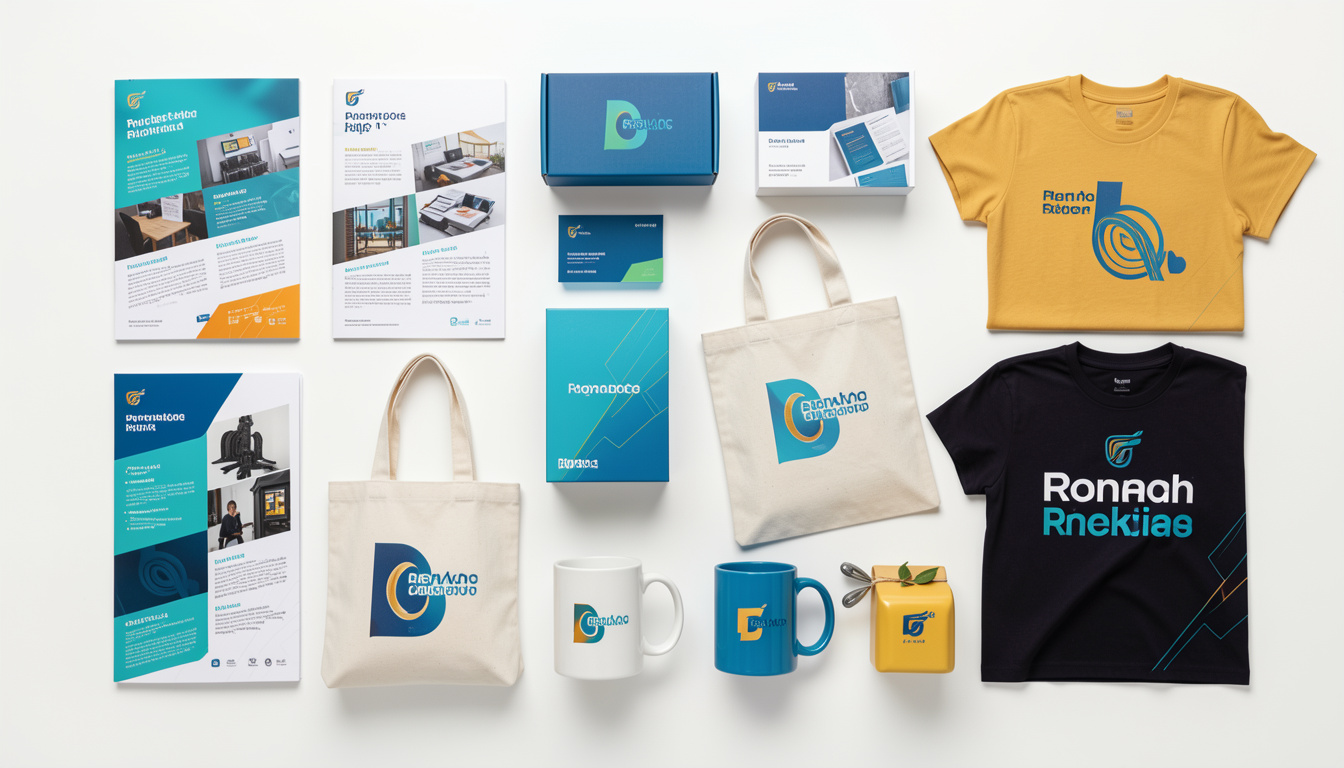
The right printing service range depends on your business and project requirements. A professional printing company should be able to support the core categories relevant to your work, from business stationery and marketing materials to signage, exhibition graphics, packaging, and branded products.
Rather than choosing a printer based on the number of products listed on its website, check whether the company has relevant experience, suitable materials, appropriate finishing options, and the production capability required for your specific project.
Business Printing
Business printing covers the everyday materials companies use for communication, sales, presentations, and internal operations.
Common requirements include:
- Business cards
- Letterheads and envelopes
- Brochures
- Company profiles
- Presentation folders
- Flyers
- Catalogues
- Notepads
- Certificates
- ID cards and name badges
When comparing suppliers, check whether they can maintain consistent paper stocks, colours, finishing, and specifications across repeat orders.
Businesses looking specifically for business cards can also explore our Business Card Printing Dubai service.ubai guide.
Marketing and Promotional Printing
Marketing printing supports campaigns, product launches, promotions, and customer communication.
Common products include:
- Flyers
- Brochures
- Posters
- Leaflets
- Product catalogues
- Promotional stickers
- Window graphics
- Point-of-sale materials
The right material and finish depend on where the printed item will be displayed and how long it needs to be used.
For businesses planning promotional campaigns, see our Flyer Printing Dubai service.
Large-Format Printing
Large-format printing is used for high-visibility branding, displays, signage, and promotional installations.
Common applications include:
- Roll-up banners
- Event backdrops
- Exhibition panels
- Foam boards
- PVC boards
- Acrylic signs
- Wall graphics
- Window graphics
- Floor graphics
- Directional signage
The appropriate material depends on whether the application is indoors, outdoors, temporary, or intended for repeated use.ents.
Exhibition and Event Printing
Exhibition and event projects often require multiple printed elements to be produced within a fixed deadline.
Common requirements include:
- Exhibition stand graphics
- Shell scheme panels
- Roll-up banners
- Fabric backdrops
- Stage branding
- Registration signage
- Directional signs
- Welcome boards
- Table covers
- Name badges
- Event branding materials
For exhibition projects, ask the printer about production deadlines, artwork approval, delivery to the venue, and installation requirements before confirming the order.
Businesses exhibiting at Dubai World Trade Centre can also explore our Exhibition Printing Dubai service.
Signage Solutions
Signage requires materials and finishing appropriate for the location, visibility, and expected exposure.
Common requirements include:
- Reception signs
- Office door signs
- Wayfinding signs
- Acrylic signs
- Indoor signage
- Outdoor signage
- Window signage
- Shop-front signs
- Name plates
- Safety signs
Before ordering, confirm whether the signage will be used indoors or outdoors and whether installation or mounting is required.
Packaging Printing
Packaging printing combines visual presentation with practical requirements such as material strength, finishing, dimensions, and product protection.
Common packaging requirements include:
- Product boxes
- Corporate gift boxes
- Paper bags
- Packaging sleeves
- Product labels
- Bottle labels
- Custom stickers
- Hang tags
For packaging projects, discuss the product dimensions, intended use, material requirements, finishing, and quantity with the printer before production.
Corporate Gift Printing
Corporate gift printing involves branding practical products used for employee programmes, client gifting, conferences, promotional campaigns, and business events.
Common products include:
- Mugs
- Water bottles
- Pens
- Notebooks
- Tote bags
- T-shirts
- Caps
- Keychains
- Executive gift sets
- Corporate gift boxes
The right combination depends on the recipient, purpose, quantity, branding method, packaging requirements, and budget.
Businesses looking for branded corporate gifting can explore our Corporate Gift Printing Dubai service.
Corporate Gift Printing
Corporate gift printing involves branding practical products used for employee programmes, client gifting, conferences, promotional campaigns, and business events.
Common products include:
- Mugs
- Water bottles
- Pens
- Notebooks
- Tote bags
- T-shirts
- Caps
- Keychains
- Executive gift sets
- Corporate gift boxes
The right combination depends on the recipient, purpose, quantity, branding method, packaging requirements, and budget.
Businesses looking for branded corporate gifting can explore our Corporate Gift Printing Dubai service.d budget.
Who Needs Professional Printing Services in Dubai?
Professional printing is used across many industries in Dubai for branding, marketing, customer communication, events, internal operations, and physical business environments.
The specific printing requirements vary by industry. Common examples include:
Real Estate
Real estate companies commonly require:
- Property brochures
- Flyers and leaflets
- Presentation folders
- Agent business cards
- Property signage
- Window graphics
- Roll-up banners
Hospitality
Hotels, restaurants, and cafés often require:
- Menus
- Table cards and tent cards
- Door hangers
- Loyalty cards
- Promotional materials
- Wayfinding signage
- Event branding
Durability and ease of cleaning can be particularly important for menus and other frequently handled materials.
Retail
Retail businesses commonly use:
- Promotional posters
- Price tags and shelf labels
- Window graphics
- Shopping bags
- Stickers and labels
- Point-of-sale displays
- Seasonal campaign materials
Corporate Offices
Corporate organisations often require:
- Business cards
- Letterheads and envelopes
- Company profiles
- Presentation folders
- ID cards and lanyards
- Training materials
- Reports and documents
- Conference materials
Events and Exhibitions
Event and exhibition companies commonly require:
- Exhibition graphics
- Backdrops
- Roll-up banners
- Stage branding
- Registration signage
- Directional signs
- Name badges
- Welcome boards
- Event displays
For event-related printing, production deadlines and delivery to the venue should be confirmed before the order is placed.
Schools and Universities
Educational institutions may require:
- Certificates
- ID cards
- Event banners
- Graduation materials
- Admission brochures
- Posters
- Academic calendars
- Notebooks
Healthcare and Clinics
Healthcare organisations commonly use:
- Appointment cards
- Patient forms
- Information brochures
- Directional signage
- Awareness posters
- Staff ID cards
- Door signs
Clarity, legibility, and accurate information are particularly important for healthcare-related materials.
Startups and Small Businesses
Startups and smaller businesses often require:
- Business cards
- Flyers
- Brochures
- Basic signage
- Promotional stickers
- Packaging
- Branded merchandise
Government and Semi-Government Organisations
Government-related organisations may require:
- Public information materials
- Official documents
- Reports and publications
- Certificates
- Event signage
- Awareness campaign materials
- Banners
When Should You Use One Printing Partner for Multiple Projects?
Using one printing partner can make sense when your business regularly requires several related printing services and wants to maintain consistent specifications across projects.
It can be particularly useful when you need:
- Business stationery and marketing materials from the same brand guidelines
- Exhibition graphics and event materials for the same campaign
- Packaging and promotional materials with consistent colours and finishing
- Corporate gifts and employee onboarding materials
- Regular reorders using previously approved specifications
However, using one supplier should not be the goal by itself. Relevant experience, print quality, production capability, and reliability should come first.
For businesses with recurring printing requirements, a supplier that can manage multiple related projects can reduce coordination work and make repeat orders easier to manage.
How Does a Professional Printing Company in Dubai Handle an Order?
A professional printing workflow typically moves from requirement assessment and artwork preparation through material selection, production, finishing, quality control, and delivery.
The exact process varies by product, quantity, printing method, and deadline, but the main stages are:
1. Requirement Assessment
The printer first confirms the key project details, including:
- Product type
- Quantity
- Size and specifications
- Intended use
- Artwork availability
- Required materials and finishing
- Delivery location
- Required deadline
This information helps determine the appropriate production method and materials.
2. Artwork and File Checking
Before production, artwork should be checked for technical requirements such as:
- Dimensions
- Bleed and safe margins
- Image resolution
- Colour mode
- Fonts
- File format
- Layout and alignment
Customers should also proofread names, contact details, prices, dates, and other variable information before approving the final artwork.
3. Material and Finishing Selection
The appropriate paper, substrate, finish, and printing method depend on how the finished product will be used.
Depending on the project, options may include different paper weights, lamination, UV coating, foil, embossing, fabric, vinyl, acrylic, PVC, or other substrates.
4. Production
Once the specifications and artwork are approved, the project moves into printing or other production processes appropriate to the selected product.
Production requirements can vary significantly between business cards, brochures, signage, packaging, promotional products, and exhibition graphics.
5. Finishing and Assembly
After printing, additional processes may be required, including:
- Cutting and trimming
- Folding
- Binding
- Lamination
- Die-cutting
- Foil stamping
- Embossing or debossing
- Mounting
- Assembly
The finishing requirements depend on the product and the desired presentation.
6. Quality Control
Before delivery, the completed order should be checked for issues such as:
- Print clarity
- Colour consistency
- Cutting and finishing accuracy
- Quantity
- Packaging condition
- Compliance with the approved specifications
For complex or large orders, checking the completed products against the approved requirements helps reduce avoidable errors.
7. Delivery or Collection
The final stage is delivery or collection according to the agreed arrangements.
For time-sensitive projects such as exhibitions, conferences, launches, or events, the delivery schedule should be confirmed before production begins.
What Should You Confirm Before Placing a Printing Order?
Before approving production, confirm these five points:
- What exactly is being printed?
- Which material and finish are being used?
- Has the final artwork been checked and approved?
- What is the confirmed production timeline?
- Where and when will the completed order be delivered or collected?
Clear answers to these questions can prevent many common printing delays and specification errors. exhibition branding, maintaining your artwork history allows future projects to be produced faster while ensuring consistent brand presentation.
Practical Printing Tips for Businesses in Dubai
Choosing the right printer is only part of getting a good result. The specification, artwork, material, deadline, and approval process can also affect the final outcome.
These practical considerations can help businesses avoid common printing problems.
1. Choose Materials Based on the End Use
Do not select paper or other materials based only on appearance or price.
Consider where and how the finished product will be used.
For example:
- Frequently handled menus may need a durable or wipe-clean finish.
- Outdoor graphics require materials suitable for outdoor exposure.
- Corporate brochures may benefit from a paper stock and finish that match the intended brand positioning.
- Exhibition graphics may need lightweight materials that are practical for installation and transport.
The best material is the one that suits the application, not necessarily the most expensive option.
2. Check Artwork Before Approving Production
A technically incorrect file can cause delays or affect the final result.
Before approval, check:
- Spelling and contact details
- Dimensions
- Image quality
- Bleed and margins
- Colour mode
- Logo placement
- Variable information such as names, dates, or prices
Once production begins, correcting an artwork error may require additional time or a reprint.
3. Ask the Printer to Recommend Materials
Customers do not need to know every paper stock, substrate, or finishing option.
Explain the intended use, quantity, budget, and expected lifespan of the printed product and ask the printer which options are suitable.
This is particularly useful for signage, packaging, menus, exhibition graphics, and premium corporate materials.
4. Plan Around the Actual Deadline
For events and exhibitions, work backwards from the date the materials are required rather than simply asking how quickly they can be printed.
Allow time for:
- Artwork preparation
- Approval
- Production
- Finishing
- Quality checking
- Delivery
- Installation where applicable
A realistic schedule reduces the risk of having no time to correct unexpected problems.
5. Check a Physical Sample for Important Projects
Digital artwork cannot always show the exact appearance of the finished printed product.
For colour-sensitive, premium, or complex projects, reviewing a physical sample or proof where available can help confirm:
- Colour appearance
- Paper or substrate
- Size
- Finish
- Overall presentation
6. Standardise Specifications for Repeat Orders
If your business regularly reorders the same materials, keep approved specifications consistent where appropriate.
Record details such as:
- Product size
- Paper or substrate
- GSM or thickness
- Finish
- Colour requirements
- Quantity
- Approved artwork
This makes future reorders easier and helps reduce unnecessary variation.
7. Do Not Choose a Printer on Price Alone
Price should be compared alongside:
- Material quality
- Relevant experience
- Finishing
- Artwork support
- Production timeline
- Delivery arrangements
- Quality control
A lower quotation is only useful if the finished product meets the actual requirements of the project.ocks, and finishes across every marketing campaign. This consistency improves brand recognition and creates a more professional customer experience.
How Should You Compare a Printing Company on Price and Value?
Price is an important part of choosing a printing supplier, but the lowest quotation does not necessarily provide the best overall value.
When comparing printing companies, consider the complete requirement rather than comparing the quoted price alone.
| Factor | What to Compare |
|---|---|
| Print quality | Clarity, colour consistency, cutting and finishing |
| Materials | Paper, substrate, thickness, durability and suitability |
| Artwork support | File checking, proofing and technical guidance |
| Finishing | Lamination, UV, foil, embossing, binding or other requirements |
| Turnaround | Realistic production time based on quantity and specifications |
| Delivery | Location, timing and event or project requirements |
| Repeat orders | Ability to maintain approved specifications |
| Communication | Clear quotation, approvals and production updates |
| Overall value | Whether the finished product meets the actual project requirement |
When Is a Higher Printing Quote Justified?
A higher quotation may be reasonable when the project requires better materials, specialised finishing, complex production, tighter quality control, larger quantities, or time-sensitive delivery.
The objective should not be to find the cheapest printer. It should be to find a supplier whose quality, capability, timeline, and price are appropriate for the project.
Common Mistakes to Avoid When Choosing a Printing Company in Dubai
Choosing a printing supplier based only on price or availability can create problems later, particularly for projects with strict deadlines or important brand materials.
The most common mistakes are:
1. Choosing a Printer Based Only on Price
The lowest quotation may not include the same material quality, finishing, artwork support, turnaround, or delivery service as another supplier.
Compare quotations based on the complete specification rather than price alone.
2. Not Checking Relevant Samples or Previous Work
A company’s general portfolio may not show whether it is experienced with the specific product you need.
For important projects, ask to see relevant examples and, where practical, assess the physical quality of the materials, finishing, and print output.
3. Approving Artwork Without a Careful Proofread
Printing errors are not always production errors.
Before approving artwork, check:
- Names
- Phone numbers
- Email addresses
- Dates
- Prices
- Logos
- Dimensions
- Spelling
The customer should carefully approve variable information before production begins.
4. Leaving a Fixed Deadline Until the Last Minute
Exhibitions, conferences, launches, and events have deadlines that cannot usually be moved.
Allow enough time for artwork approval, production, finishing, quality checking, and delivery rather than planning the printing around the final possible day.
5. Choosing Materials Without Considering the Application
A material that looks good on screen may not be appropriate for the environment in which the finished product will be used.
Consider factors such as:
- Indoor or outdoor use
- Frequency of handling
- Exposure to moisture or sunlight
- Required durability
- Desired presentation
6. Failing to Confirm the Final Specification
Before production, make sure both sides agree on the important details, including:
- Product and dimensions
- Quantity
- Material
- Printing method where relevant
- Finishing
- Artwork
- Production timeline
- Delivery requirements
A clear final specification reduces misunderstandings and makes it easier to identify whether a problem occurred during production or resulted from an approved requirement.
Frequently Asked Questions About Printing Companies in Dubai
1. How do I know if a printing company in Dubai is reliable?
Look for consistent print quality, relevant project experience, clear communication, realistic turnaround times, suitable material options, artwork checking, and reliable delivery arrangements. For important projects, ask to see relevant samples or previous work and confirm the complete production specification before approving the order.
2. What should I check before choosing a printing company?
Compare the supplier’s relevant experience, print quality, materials, finishing options, artwork support, production timeline, delivery arrangements, and overall quotation. The most suitable printer is the one that can reliably meet the requirements of your specific project rather than simply offering the lowest price.
3. What printing services do businesses in Dubai commonly need?
Common business requirements include business cards, brochures, flyers, stationery, signage, large-format graphics, exhibition materials, packaging, promotional products, and corporate gifts. The exact requirements depend on the business, industry, marketing activity, and intended use of the printed materials.
4. How long does printing take in Dubai?
Production time depends on the product, quantity, artwork readiness, materials, finishing, and delivery requirements. Simple jobs may have shorter production times, while customised packaging, signage, exhibition graphics, or large orders may require more time. Always confirm the production and delivery schedule before approving an order.
5. Can a printing company help choose the right material?
Yes. A printing professional can recommend suitable paper stocks, substrates, finishes, and printing methods based on the product’s intended use, durability requirements, appearance, quantity, and budget. Providing information about where and how the finished product will be used helps the printer make a more suitable recommendation.
6. What file format is best for printing?
A print-ready PDF is commonly preferred because it can preserve dimensions, fonts, images, and layout. Depending on the project and printer, AI, EPS, PSD, or other file formats may also be accepted. The required file specifications can vary by product and production method.
7. Why do printed colours sometimes look different from a computer screen?
Screens display colours using RGB, while many commercial printing processes use CMYK or other colour systems. As a result, colours can appear somewhat different between a digital screen and the finished print. Colour-sensitive projects should use appropriate print colour specifications and, where available, proofing before full production.
8. What is GSM in printing?
GSM means grams per square metre and is a measurement of paper weight. In general, a higher GSM indicates a heavier and usually thicker paper stock, although GSM should not be treated as a direct measurement of thickness because different paper types can have different densities.
9. What is the difference between matte and gloss printing?
Matte finishes have a low-reflective surface and can provide a softer, more understated appearance. Gloss finishes are more reflective and can make colours and images appear more vibrant. The appropriate finish depends on the design, intended use, handling requirements, and desired presentation.
10. Can printing companies deliver across the UAE?
Many printing companies offer delivery across Dubai and other UAE locations. Delivery arrangements can depend on the order size, location, product type, deadline, and project requirements. For exhibitions or events, confirm the exact delivery location and required delivery time before production begins.
11. Can businesses use one printing company for different types of projects?
Yes. Using one supplier for related printing requirements can simplify communication and repeat orders and may help maintain consistent specifications across projects. However, the supplier’s relevant experience, production capability, quality, and reliability should be evaluated before consolidating multiple projects with one company.
12. What should I confirm before placing a printing order?
Confirm the product specifications, quantity, material, finishing, artwork, production timeline, and delivery requirements. It is also useful to clarify what happens if artwork changes are required, whether a proof or sample is available, and which specifications will be used for repeat orders.
Continue Learning About Professional Printing
Continue Learning About Professional Printing
Whether you’re planning a marketing campaign, preparing for an exhibition, or looking for the right printing solution for your business, these in-depth guides provide practical advice, expert insights, and industry best practices to help you make informed decisions and achieve better printing results.
Related Printing Guides
If you are comparing printing options or planning a specific project, these guides provide more detailed information:
- Business Card Printing Dubai — specifications, finishes, and considerations when ordering business cards.
- Flyer Printing Dubai — useful for businesses planning promotional campaigns and printed marketing materials.
- Roll-Up Banner Printing Dubai — guidance for exhibitions, conferences, and promotional displays.
- Event Printing for Dubai World Trade Centre Exhibitors — practical information for businesses preparing printing for DWTC events.
- Digital vs Offset Printing — explains the key differences between digital and offset printing and when each may be appropriate.
- Same Day Printing Dubai — useful when a project has an urgent or short production deadline.
Related Printing Projects and Case Studies
Examples of completed projects can help businesses understand how different printing requirements are handled in practice.
Explore relevant projects and guides:
- Employee Onboarding Gift Sets for a Corporate Organisation in Dubai — an example of branded onboarding materials, packaging, and coordinated production.
- Promotional Merchandise for a Corporate Event in Dubai — an example of branded promotional materials for a corporate event.
- Brochure Printing for a Real Estate Company in Dubai — relevant for businesses planning property brochures and corporate marketing materials.
Final Conclusion
Choosing a reliable printing company in Dubai is about more than comparing quotations. Businesses should evaluate print quality, relevant experience, material options, artwork checking, production timelines, communication, and delivery requirements based on the specific project.
For recurring printing requirements, it can also be useful to work with a supplier that can manage related products while maintaining consistent specifications and branding.
Total Printing Solutions provides printing and branded production services for businesses across Dubai and the UAE, covering business printing, marketing materials, large-format graphics, exhibition printing, signage, packaging, and corporate gifting.
If you are planning a printing project, provide the product requirements, quantity, artwork, deadline, and delivery location so the appropriate production options can be assessed.
Need Help Choosing the Right Printing Solution?
Share your product type, quantity, artwork status, deadline, and delivery location with Total Printing Solutions to discuss the most suitable printing and production options for your project.