د.إ0.00
Who Provides Business Document Printing Services in Dubai?
Quick Answer
Business document printing services in Dubai help companies create professional branded materials for daily operations, client communication, and corporate requirements. These services include letterheads, invoice books, quotation forms, NCR documents, company profiles, reports, manuals, presentation folders, certificates, and customised business stationery.
At Total Printing Solutions, we provide customised business document printing with premium paper options, accurate colour reproduction, professional finishing, and reliable delivery across Dubai and the UAE. Our solutions are designed for startups, SMEs, corporate organisations, and businesses requiring consistent quality for their printed documents.
In Short
Businesses use professionally printed documents to support daily operations, client communication, record keeping, and corporate presentations. The right printing solution helps maintain a consistent brand identity while ensuring important documents are clear, professional, and practical.
Common business documents printed by professional companies include:
- Company Letterheads
- Business Forms
- NCR Books
- Invoice Books
- Quotation Books
- Delivery Notes
- Purchase Order Books
- Presentation Folders
- Company Profiles
- Employee Handbooks
- Training Manuals
- Annual Reports
- Financial Reports
- Contracts
- Certificates
- Proposal Documents
- Tender Documents
Professional Business Document Printing Services in Dubai
High-quality business documents strengthen brand identity by maintaining consistent logos, colours, typography, paper selection, and finishing across every printed material. This consistency helps businesses present a more organised and reliable image to customers, partners, and employees.
At Total Printing Solutions, we provide customised business document printing solutions for companies across Dubai and the UAE. Our services include branded stationery, NCR books, company profiles, reports, manuals, presentation documents, and customised corporate materials with reliable production and delivery support.
Why Professional Business Document Printing Matters
Business documents are an important part of how companies communicate with customers, suppliers, employees, and business partners. Every quotation, invoice, proposal, contract, or report represents the organisation behind it.
The quality of printed materials can influence how a business is perceived. Clear printing, suitable materials, and consistent branding help companies present a more reliable and organised image.
Professionally printed documents also support smoother business operations. Organised manuals, forms, employee documents, and internal records help teams access information easily while maintaining consistency across different departments.
Benefits of Professional Business Document Printing
Creates a Professional Brand Image
Every branded document represents your company during daily communication. Consistent colours, typography, and layouts help customers, employees, and partners recognise your brand more easily.
Builds Customer Confidence
Clients often judge a company based on the quality of its communication materials. Well-presented proposals, quotations, contracts, and reports create a stronger first impression during important business interactions.
Supports Corporate Branding
Professional document printing allows businesses to maintain consistent branding across every printed material, including:
- Company logo
- Brand colours
- Corporate fonts
- Contact information
- QR Codes
- Social media details
- Website information
- Company slogan
This consistency strengthens brand recognition across different customer and business interactions.
Improves Record Keeping
Professionally printed documents are easier to organize, archive, and reference when required. Clear layouts and durable materials help businesses maintain reliable records for contracts, financial documents, and compliance purposes.
Supports Legal and Compliance Requirements
Many organisations require printed documentation for approvals, audits, contracts, employee records, healthcare documentation, educational records, and government submissions. Professional printing ensures documents remain accurate, legible, and presentable.
Business Situations Where Printed Documents Are Still Required
Businesses still use printed documents when they require physical records, signed agreements, client presentations, or formal communication materials.
- Easier document signing
- Better meeting presentation
- Physical record keeping
- Improved client communication
- Professional proposals
- Employee training materials
- Compliance documentation
- Corporate reporting
- Operational manuals
- Financial documentation
Industries including banking, healthcare, education, construction, real estate, hospitality, manufacturing, logistics, retail, and government organisations continue to use printed documents for operational and communication needs.
Business Document Printing Designed for Every Business Size
Our business document printing services support organisations of all sizes, from new businesses to large enterprises.
- Startups
- Small Businesses
- SMEs
- Large Corporations
- Government Departments
- Educational Institutions
- Healthcare Providers
- Financial Institutions
- Construction Companies
- Real Estate Companies
- Law Firms
- Hospitality Businesses
- Manufacturing & Logistics Companies
- Retail Businesses
- Marketing Agencies
- Non-Profit Organisations
Whether you need a small batch for executive meetings or large-volume printing for daily operations, we provide flexible document printing solutions tailored to your business requirements.
Types of Business Documents We Print
We print a wide range of business documents tailored to your operational, administrative, and branding requirements. Every document can be customised with suitable paper stocks, sizes, binding, and finishing options.
Corporate Stationery
- Letterheads
- Business Cards
- Compliment Slips
- Envelopes
- Notepads
- Corporate Folders
Office Documents
- Company Profiles
- Business Proposals
- Annual Reports
- Financial Reports
- Meeting Agendas
- Training Manuals
- Employee Handbooks
- Policy Documents
- HR Documents
Sales & Marketing Documents
- Brochures
- Flyers
- Leaflets
- Product Catalogues
- Product Sheets
- Price Lists
- Sales Presentations
- Capability Statements
Financial Documents
- Invoices
- Quotations
- Purchase Orders
- Delivery Notes
- Receipt Books
- Cash Vouchers
- Payment Vouchers
- Credit Notes
- Debit Notes
NCR & Multi-Part Forms
- Invoice Books
- Receipt Books
- Purchase Order Books
- Job Sheets
- Service Reports
- Work Orders
- Inspection Forms
- Maintenance Forms
Legal & Administrative Documents
- Contracts
- Agreements
- Tender Documents
- Compliance Documents
- Legal Forms
- Application Forms
- Registration Forms
- Declaration Forms
Certificates & Official Documents
- Training Certificates
- Completion Certificates
- Award Certificates
- Membership Certificates
- Recognition Certificates
Event & Conference Documents
- Conference Booklets
- Event Programs
- Delegate Guides
- Registration Forms
- Seminar Handouts
- Workshop Manuals
Educational & Training Documents
- Training Workbooks
- Course Manuals
- Study Materials
- Student Handbooks
- Examination Papers
- Worksheets
Custom Business Documents
We also produce customised business documents, including branded forms, multi-page booklets, bound reports, presentation materials, and document templates designed for your workflow.
Business Document Printing Materials and Finishing Options
The choice of paper and finishing affects how a business document looks, feels, and performs in everyday use. Different documents require different specifications based on their purpose, durability, and presentation requirements.
For example, a company letterhead may use premium bond paper, while an invoice book requires NCR paper for duplicate copies. Selecting the right materials helps improve both appearance and functionality.
Paper Options for Business Documents
Premium Bond Paper
Premium bond paper is commonly used for official business documents such as letterheads, quotations, agreements, and company correspondence.
It provides:
- Clean professional appearance
- Smooth writing surface
- Suitable thickness for office use
- Excellent print clarity
It is commonly used for official correspondence, quotations, and branded company stationery.
Offset Paper
Offset paper is widely used for everyday business documents that require clear printing and practical usability.
Common applications include:
- Reports
- Internal documents
- Forms
- Training materials
- Office manuals
It offers a practical balance between print quality and cost for everyday business documents.
NCR Paper (Carbonless Paper)
NCR paper is commonly used for multi-part business documents where duplicate copies are required without using carbon sheets.
Common applications include:
- Invoice books
- Receipt books
- Delivery notes
- Purchase orders
- Service forms
NCR documents allow businesses to maintain original and duplicate records efficiently.
Premium Textured and Specialty Papers
Businesses looking for a more premium presentation may choose specialty paper options for selected documents.
These materials are commonly used for:
- Executive presentations
- Company profiles
- Premium proposals
- Corporate documents
These papers add a premium finish to client-facing business documents.
Business Document Finishing Options
Finishing plays an important role in improving the appearance, durability, and usability of printed documents.
Binding Options
Binding is commonly used for multi-page business documents such as reports, manuals, proposals, and company profiles. Businesses requiring professionally finished presentation materials can also explore company profile printing in Dubai for premium corporate documents.
Common binding options include:
- Spiral binding
- Wire binding
- Perfect binding
- Hardcover binding
The best binding method depends on the document’s purpose and page count.
Lamination
Lamination adds a protective layer to documents that require additional durability.
It is commonly used for:
- Certificates
- Training manuals
- Reference documents
- Frequently handled materials
Lamination improves durability and protects documents from everyday wear.
Folding and Creasing
Professional folding and creasing are useful for structured business documents such as:
- Presentation materials
- Company brochures
- Information sheets
- Marketing documents
It creates cleaner folds and a more polished presentation.
Numbering and Perforation
Numbering and perforation are important for operational documents such as:
- Invoice books
- Receipt books
- Delivery notes
- Forms
These features simplify record keeping and document tracking.
Custom Document Sizes and Formats
Businesses may require documents beyond standard sizes depending on their operational needs.
Custom formats can include:
- Company forms
- Specialised templates
- Internal workflow documents
- Custom presentation materials
Custom formats ensure documents fit specific operational requirements.
Professional Insight
Paper selection and finishing have a direct impact on both presentation and usability. Choosing the right specifications before production helps businesses create durable documents, reduce unnecessary reprints, and maintain a consistent brand image.
Customisation Options Available for Business Document Printing
Customisation helps businesses create documents that reflect their brand while supporting day-to-day operations. From company logos and brand colours to custom layouts and specialised formats, every document can be tailored to match specific business requirements.
Company Branding and Logo Integration
A company’s logo is one of the most important elements of its visual identity. Including the logo across business documents helps customers, suppliers, and partners immediately recognise the organisation.
Common documents that include company branding:
- Letterheads
- Invoice books
- Quotation forms
- Company profiles
- Reports
- Presentation documents
- Employee documents
Consistent logo placement creates a unified appearance across all official business documents.
Brand Colours and Corporate Design Elements
Professional document printing allows businesses to maintain the same visual identity used across their other marketing and communication materials.
Custom design elements may include:
- Corporate colours
- Brand fonts
- Headers and footers
- Company information sections
- Watermarks
- Design layouts
- Visual separators
Using consistent design elements across every document strengthens brand recognition and creates a more consistent customer experience.
Custom Document Layouts
Different businesses have different operational requirements, which means standard templates may not always be suitable.
Custom layouts can be created for:
- Company forms
- Invoice formats
- Quotation templates
- Internal approval documents
- Service reports
- Inspection forms
- Training materials
Custom layouts organise information more clearly and improve everyday usability.
Personalised Business Documents
Many organisations require documents customised for specific departments, employees, locations, or business activities.
Examples include:
- Department-specific forms
- Employee handbooks
- Branch-specific documents
- Sales documents
- Client presentation materials
- Internal operational forms
Personalised documents improve organisation and make information easier to manage.
QR Codes and Digital Integration
Modern businesses often combine printed documents with digital platforms by adding QR codes and online access points.
QR codes can be used for:
- Company websites
- Digital brochures
- Online payment links
- Product information
- Registration forms
- Customer feedback pages
QR codes connect printed documents with websites, digital catalogues, payment pages, and other online resources, creating a seamless print-to-digital experience.
Custom Numbering and Tracking Features
Businesses that manage operational documents often require tracking features for better record management.
Custom options include:
- Sequential numbering
- Duplicate copy formats
- Department codes
- Reference fields
- Tracking sections
These features are commonly used for:
- Invoice books
- Receipt books
- Delivery notes
- Purchase orders
- Service forms
They simplify document tracking and record management.
Custom Sizes and Document Formats
Not every business document needs to follow standard formats. Some organisations require specific dimensions or unique document structures based on their operations.
Custom formats may include:
- Special company forms
- Folded documents
- Multi-page booklets
- Presentation documents
- Custom report formats
Selecting the right format ensures documents remain practical and easy to use.
Confidential and Professional Document Printing
Certain business documents contain sensitive information and require careful handling during production.
Examples include:
- Financial reports
- Contracts
- Employee documents
- Internal manuals
- Business proposals
Reliable printing providers follow secure file handling and controlled production processes to protect confidential business information.
Professional Insight
Effective document customisation goes beyond adding a logo. Standardised layouts, branding, and document specifications improve consistency, simplify future reordering, and support more efficient business operations.
How to Choose the Right Business Document Printing Company in Dubai
Choosing the right business document printing company helps ensure consistent quality, reliable delivery, and documents that reflect your brand. An experienced printing partner can recommend suitable materials, maintain quality standards, and support both one-time and ongoing business printing requirements.
1. Check Experience with Business Document Printing
Business document printing requires attention to detail because different documents have different requirements.
For example:
- Letterheads require professional paper quality and accurate branding.
- Invoice books require proper formatting and numbering.
- Reports require clear printing and suitable finishing.
- Manuals require durable binding and practical usability.
An experienced printing company can recommend the most suitable materials and production methods for each document type.
2. Evaluate Printing Quality and Accuracy
Print quality influences how customers and business partners perceive your organisation.
Before choosing a printing provider, consider:
- Print sharpness
- Colour accuracy
- Paper quality
- Finishing standards
- Cutting precision
- Binding quality
High-quality printing ensures important information remains clear, professional, and easy to read.
3. Review Material and Customisation Options
Different businesses require different document specifications.
A professional printing company should provide options such as:
- Multiple paper types
- Different GSM options
- Custom sizes
- Branding options
- Numbering and perforation
- Binding solutions
- Finishing choices
Flexible options help businesses produce documents that suit both operational and branding requirements.
4. Check Confidentiality and Document Handling
Many business documents contain sensitive information, including:
- Financial reports
- Contracts
- Employee records
- Client information
- Internal procedures
Confidential documents should be handled using secure production and file management processes.
Look for providers that offer:
- Secure file management
- Accurate production
- Controlled access
- Careful quality checking
5. Consider Production Capacity and Turnaround Time
Businesses often require documents within specific deadlines, especially for:
- Client presentations
- Tender submissions
- Corporate meetings
- Training sessions
- Business launches
- Exhibition deadlines and corporate events
A reliable printing company should provide:
- Clear production timelines
- Consistent delivery schedules
- Support for urgent requirements
- Ability to handle repeat orders
Reliable turnaround helps businesses meet important deadlines.
6. Review Previous Business Printing Projects
A printing company’s previous work provides insight into its experience and quality standards.
Review examples of:
- Corporate stationery
- Company profiles
- Reports
- Presentation folders
- Invoice books
- Business forms
- Training materials
A strong portfolio demonstrates experience across different business document types.
7. Look for Consistent Repeat Ordering Support
Many businesses require the same documents regularly.
Examples include:
- Monthly invoice books
- Employee documents
- Updated company profiles
- Sales materials
- Internal forms
Repeat ordering becomes faster while maintaining consistent specifications across every print run.
8. Compare Overall Value Instead of Price Alone
The lowest quotation does not always provide the best value.
Businesses should consider:
- Material quality
- Printing accuracy
- Customisation options
- Delivery reliability
- Customer support
- Long-term consistency
Quality printing supports stronger business communication and brand presentation.
Business Document Printing Company Evaluation Checklist
| Factor | Why It Matters |
|---|---|
| Printing experience | Ensures better recommendations |
| Print quality | Maintains professional presentation |
| Material options | Helps select suitable documents |
| Customisation ability | Supports consistent branding |
| Confidential handling | Protects sensitive information |
| Production capacity | Supports small and bulk requirements |
| Delivery reliability | Helps meet deadlines |
| Repeat ordering support | Maintains consistency |
Customer Scenario
A Dubai-based company required 500 branded quotation sets, presentation folders, monthly invoice books, and client reports. Initially, they managed different printing requirements through multiple suppliers, which resulted in inconsistent paper quality and branding differences across documents.
By working with one experienced printing partner, the company was able to maintain consistent designs, standardise document specifications, simplify ordering, and ensure every document presented a professional image during client interactions.
Professional Insight
Presentation quality influences how a business is perceived before the content is even read. Choosing the right printing partner helps maintain consistent branding, reduce production issues, and deliver reliable results across every document.
Business Document Printing Process: From Requirement to Final Delivery
A successful business document printing project relies on careful planning, accurate file preparation, and quality control throughout production. A structured workflow helps reduce errors, maintain consistent branding, and deliver documents that are ready for immediate use.
1. Understanding Business Requirements
Every document printing project begins by understanding the company’s requirements, usage purpose, and expected outcome.
During the initial discussion, important details include:
- Type of documents required
- Quantity needed
- Document size and format
- Branding requirements
- Paper preference
- Finishing requirements
- Required delivery timeline
This information helps determine the most suitable printing method, materials, and finishing options before production begins.
For example, an invoice book, company profile, and employee handbook may all require different materials, formats, and finishing options.
2. Reviewing Artwork and Document Files
Before production begins, the document artwork is reviewed to ensure it is suitable for professional printing.
The review process includes checking:
- Company logo quality
- Text alignment
- Brand colours
- Image resolution
- Document layout
- Page arrangement
- Print specifications
Proper artwork preparation helps prevent issues such as incorrect colours, missing information, sizing errors, and poor print quality.
3. Selecting Suitable Materials and Specifications
The right materials depend on how the documents will be used.
For example:
- Letterheads may require premium paper for official communication.
- Invoice books often require NCR paper to produce duplicate copies.
- Reports may require thicker paper and professional binding.
- Manuals may require durable finishing for frequent use.
Selecting suitable specifications improves both appearance and functionality.
4. Digital Proof Approval
Before final production, a proof or sample preview is reviewed to confirm all details are correct.
Businesses can verify:
- Layout accuracy
- Content placement
- Colours
- Logo positioning
- Document structure
- Finishing requirements
Approval at this stage reduces the possibility of mistakes and ensures the final printed documents match expectations.
5. Professional Printing Production
Once the artwork is approved, production begins using the most suitable printing method for the document type, quantity, and required finish.
During printing, attention is given to:
- Colour consistency
- Print clarity
- Paper handling
- Alignment accuracy
- Overall quality
Maintaining consistent production standards ensures every copy meets the required specification.
6. Finishing and Document Assembly
After printing, documents may require additional finishing depending on their purpose.
Finishing options include:
- Binding
- Folding
- Lamination
- Cutting
- Numbering
- Perforation
- Stapling
- Packaging
For example:
A business report may require professional binding, while an invoice book may require numbering and duplicate copy arrangement.
7. Quality Inspection
Before delivery, every order should go through a quality check to ensure accuracy and consistency.
Quality inspection includes reviewing:
- Print quality
- Colour accuracy
- Document quantity
- Finishing quality
- Paper condition
- Overall presentation
This step helps ensure businesses receive professional documents ready for immediate use.
8. Packaging and Delivery
After approval and quality inspection, the finished documents are carefully packaged and prepared for delivery.
Professional delivery ensures documents arrive:
- Protected from damage
- Properly organised
- Complete in quantity
- Ready for business use
Timely delivery is especially important for client meetings, presentations, exhibitions, and business deadlines.
Business Document Printing Workflow Overview
| Stage | Purpose |
|---|---|
| Requirement Discussion | Understand business needs and document requirements |
| Artwork Review | Ensure files are ready for professional production |
| Material Selection | Choose suitable paper and finishing options |
| Proof Approval | Confirm final details before printing |
| Production | Create high-quality printed documents |
| Finishing | Improve appearance and usability |
| Quality Check | Verify accuracy and consistency |
| Delivery | Provide completed documents on schedule |
Customer Scenario
A Dubai-based real estate company required branded quotation forms, property presentation documents, company profiles, and client proposal folders before a major property launch.
The printing process involved reviewing their existing brand guidelines, selecting suitable premium materials, approving document samples, and producing all materials with consistent branding. The structured workflow ensured consistent branding across every document and delivered the complete order on time for the property launch.
Professional Insight
High-quality document printing depends on planning, accurate artwork, suitable materials, and effective quality control. A structured process helps reduce errors, maintain consistent branding, and produce documents that support everyday business communication.
Digital Documents vs Printed Business Documents – Comparison Guide
Most businesses use both digital and printed documents, choosing the right format based on the purpose, audience, and type of communication. While digital documents offer speed and convenience, printed documents continue to play an important role in situations where professionalism, physical records, and personal interaction are required.
Digital Documents vs Printed Business Documents
| Factor | Digital Documents | Printed Business Documents |
|---|---|---|
| Accessibility | Available instantly through computers, phones, and cloud platforms | Available physically without requiring digital access |
| Sharing | Easy to send through email and online platforms | Suitable for face-to-face meetings and physical presentations |
| Client Experience | Provides convenience for quick communication | Creates a stronger professional impression during meetings |
| Record Keeping | Requires digital storage and file management systems | Provides physical records for documentation and reference |
| Signing Requirements | Often requires electronic signatures or digital approval systems | Allows traditional signatures and physical agreements |
| Presentation | Depends on screen viewing quality | Provides tangible and professional presentation |
| Branding Impact | Limited to digital viewing experience | Allows premium paper, finishes, and physical brand presence |
| Long-Term Storage | Requires backups and digital management | Can be archived physically for specific requirements |
| Business Meetings | Useful for online communication | Effective for proposals, presentations, and client discussions |
Why Printed Business Documents Are Still Important
Although businesses increasingly use digital systems, printed documents continue to support important professional activities.
Client Meetings and Presentations
Printed proposals, company profiles, reports, and presentation documents help businesses make a stronger impression during face-to-face meetings. A well-prepared printed document allows clients and partners to review information easily while demonstrating attention to detail.
Official Agreements and Documentation
Many businesses still require printed documents for:
- Contracts
- Agreements
- Signed approvals
- Compliance records
- Official submissions
Printed documents provide a reliable record for signing, storage, and future reference.
Brand Representation
Printed documents provide opportunities to showcase a company’s identity through:
- Professional paper selection
- Branded layouts
- Consistent colours
- Premium finishing
Premium printed documents often leave a stronger impression than viewing the same information on a screen.
Internal Business Operations
Many organisations continue using printed documents for:
- Training manuals
- Employee handbooks
- Operational guides
- Forms
- Department records
Printed copies are often easier to reference during training, meetings, and daily operations.
Situations Where Digital Documents Work Best
Digital documents are highly effective for situations requiring:
- Instant sharing
- Remote collaboration
- Quick updates
- Cloud storage
- Electronic workflows
Examples include:
- Internal emails
- Online proposals
- Digital invoices
- Shared reports
- Remote team communication
Situations Where Printed Documents Create More Value
Printed documents are preferred when businesses need:
- Professional presentations
- Physical signatures
- Client-facing materials
- Official records
- Premium brand communication
- Long-term reference copies
Examples include:
- Company profiles
- Business proposals
- Contracts
- Annual reports
- Training manuals
- Presentation folders
Combining Digital and Printed Documents
Many successful businesses use both digital and printed communication together.
For example:
A company may send a digital proposal before a meeting but provide a professionally printed version during the presentation. This approach combines digital convenience with the professional impact of physical materials.
Similarly, businesses may add QR codes to brochures, company profiles, and other printed materials to connect customers with websites, digital catalogues, payment pages, or additional information.
Professional Insight
The future of business communication is not about choosing only digital or printed documents. Successful organisations use each format where it creates the most value.
Digital documents improve speed and accessibility, while printed documents continue to provide professionalism, credibility, and physical brand presence. Businesses that understand when to use each format can create stronger communication experiences with customers, employees, and partners.
Customer Scenario: Business Document Printing Project in Dubai
A Dubai-based company required branded letterheads, quotation forms, invoice books, company profiles, presentation folders, and proposal documents for daily operations and client meetings.
To create a more professional and unified brand image, all documents were produced according to the company’s branding guidelines. The printing process included reviewing artwork, selecting suitable paper materials, approving samples, and ensuring consistent colours across every document.
The final printed materials provided the company with a complete professional document system that could be used for client meetings, official communication, internal operations, and business presentations.
Project Requirements
The company required:
- Branded company letterheads
- Quotation and invoice documents
- Presentation folders
- Company profile printing
- Client proposal documents
- Corporate forms
- Internal office documents
Each document required different specifications based on its purpose and frequency of use.
For example, official communication documents required premium paper presentation, while invoice and quotation books required practical formats suitable for daily business operations.
Challenges
The main challenges included:
- Maintaining consistent branding across multiple document types
- Selecting suitable materials for different usage requirements
- Ensuring professional presentation for client-facing documents
- Completing production within the required timeframe
A coordinated printing approach was required to ensure all materials matched the company’s brand identity.
Solution Provided
The project was managed through a structured printing workflow:
Brand Review:
Existing company branding elements were reviewed to maintain consistency across all printed materials.
Material Selection:
Suitable paper stocks, document formats, and finishing options were recommended based on each document’s purpose.
Proof Approval:
Samples and digital previews were reviewed before final production.
Professional Production:
All documents were printed with attention to colour accuracy, alignment, and finishing quality.
Quality Inspection:
Each item was checked before delivery to ensure accuracy and professional presentation.
Results
The completed business document package helped the company:
- Present a more professional image to clients
- Maintain consistent branding across office materials
- Improve document organisation
- Support daily business operations
- Create a stronger impression during client meetings and presentations.
By managing multiple document requirements through one printing partner, the company achieved better consistency and a more efficient ordering process.
Professional Insight
Business documents often create the first impression before a conversation even begins. A professionally prepared quotation, proposal, company profile, or contract can influence how customers and partners perceive the organisation.
Businesses that invest in well-designed, professionally printed documents build stronger brand consistency and communicate more effectively with customers and partners.
Common Mistakes Businesses Make When Printing Documents
Business documents reflect a company’s professionalism and attention to detail. However, avoidable mistakes during the printing process can reduce document quality, weaken brand consistency, and increase unnecessary costs.
Recognising these mistakes helps businesses produce more professional documents while avoiding expensive reprints and inconsistencies.
1. Using Low-Quality Paper Materials
One of the most common mistakes businesses make is choosing paper based only on price rather than purpose.
Different documents require different paper specifications.
For example:
- Official letterheads require professional paper that represents the company well.
- Business proposals may require thicker paper for a premium presentation.
- Training manuals need durable materials for frequent handling.
- Invoice books require suitable NCR paper for duplicate copies and everyday use.
Using unsuitable paper can make documents appear less professional and may reduce durability.
2. Ignoring Brand Consistency
Many businesses print documents without maintaining consistent branding across different materials.
Common issues include:
- Different logo versions
- Incorrect brand colours
- Inconsistent fonts
- Different layouts
- Missing company information
A consistent visual identity across letterheads, proposals, reports, forms, and company documents helps businesses appear more organised and professional. Businesses looking for complete brand consistency can also combine document printing with corporate branding solutions.
3. Not Preparing Artwork Correctly
Poor artwork preparation can create printing problems even when a design appears correct on screen.
Common artwork issues include:
- Low-resolution logos
- Incorrect file formats
- Missing fonts
- Incorrect document dimensions
- Poor image quality
- Wrong colour settings
Professional artwork preparation helps ensure the final printed document matches the intended design.
4. Skipping Proof Approval
Some businesses move directly into production without reviewing a final proof.
This can lead to:
- Spelling mistakes
- Incorrect contact details
- Wrong pricing information
- Misaligned elements
- Incorrect colours
Reviewing and approving a proof before printing helps prevent costly reprints and unnecessary delays.
5. Choosing Price Over Quality
Selecting the cheapest printing option may reduce initial costs but can create problems later.
Low-quality printing may result in:
- Poor colour reproduction
- Weak paper quality
- Incorrect finishing
- Shorter product lifespan
- Unprofessional presentation
Businesses should evaluate overall value, including quality, reliability, and service support.
6. Ordering the Wrong Quantity
Incorrect quantity planning can create unnecessary expenses or operational problems.
Ordering too few documents may result in:
- Emergency reprints
- Higher production costs
- Delays during important business activities
Ordering excessive quantities may lead to:
- Storage issues
- Outdated information
- Wasted materials
Planning quantities based on actual usage helps reduce waste, control costs, and avoid unnecessary reprints.
7. Not Considering Future Updates
Businesses often print documents without planning for future changes.
Examples include:
- Updated contact information
- New branding
- Revised pricing
- Changed company details
- Updated policies
Planning document formats with future updates in mind can reduce unnecessary reprinting costs.
8. Selecting the Wrong Finishing Options
Finishing choices affect both appearance and usability.
Common mistakes include:
- Using unsuitable binding methods
- Choosing finishes that do not match document purpose
- Ignoring durability requirements
For example:
A client presentation may benefit from premium binding, while an internal manual may require a more practical and durable finish.
9. Working With Multiple Suppliers Without Coordination
Using different suppliers for every document type can create inconsistencies.
Problems may include:
- Different colour shades
- Different paper quality
- Inconsistent layouts
- Difficult order management
Working with a single experienced printing partner helps maintain consistent quality, simplify ordering, and ensure every document follows the same brand standards.
Professional Insight
Business document printing should be viewed as an investment in professional communication rather than a simple production task.
Details such as paper quality, colour accuracy, finishing, and consistent branding influence how customers, employees, and business partners perceive a business.
A well-planned printing process helps businesses avoid mistakes, maintain a professional image, and create documents that support their daily operations.
Expert Tips for Better Business Document Printing Results
Producing professional business documents involves more than simply sending a file to print. The best results come from careful planning, suitable material selection, professional artwork preparation, and understanding how each document will be used.
These expert tips help businesses create printed documents that look professional, remain practical, and consistently represent their brand.
1. Define the Purpose Before Printing
Every business document should have a clear purpose before production begins.
Consider:
- Who will use the document?
- Where will it be presented?
- How frequently will it be handled?
- Does it require a premium appearance or practical durability?
For example:
A company profile used during investor meetings may require premium paper and finishing, while internal forms may focus more on usability and cost efficiency.
Understanding the purpose helps select the right printing specifications.
2. Maintain Consistent Brand Guidelines
Every printed document should follow the same brand identity.
Maintain consistency across:
- Company logo
- Brand colours
- Typography
- Contact details
- Layout style
- Design elements
Consistent branding across letterheads, proposals, reports, invoices, and presentation materials improves recognition and creates a stronger professional impression.
3. Choose Materials Based on Usage
The right paper and finishing options depend on how the document will be used.
Examples:
Client-Facing Documents
Suitable options:
- Premium paper stocks
- Professional finishing
- High-quality colour printing
Internal Business Documents
Suitable options:
- Practical paper choices
- Easy handling formats
- Cost-effective solutions
Frequently Used Documents
Suitable options:
- Durable materials
- Protective finishing
- Strong binding
Matching materials to their intended use improves both appearance and durability.
4. Prepare Print-Ready Artwork
Professional results start with properly prepared files.
Before printing, check:
- Correct document size
- High-resolution images
- Proper margins
- Correct colours
- Accurate text
- Bleed settings where required
Well-prepared artwork reduces production issues and ensures the final documents match expectations.
5. Request a Proof Before Full Production
A final proof allows businesses to review the document before printing large quantities.
Review:
- Text accuracy
- Logo placement
- Colours
- Page order
- Finishing details
- Overall layout
This simple step helps prevent mistakes and avoids unnecessary reprinting costs.
6. Plan Quantities Strategically
Ordering the correct quantity helps businesses balance cost and efficiency.
Consider:
- Monthly usage
- Future updates
- Storage availability
- Expected business growth
Bulk printing may reduce per-unit costs, while smaller batches may be better for documents that change frequently.
7. Work With an Experienced Printing Partner
A professional printing company can provide valuable guidance throughout the process.
An experienced provider helps with:
- Material recommendations
- Printing methods
- Finishing options
- Artwork checks
- Production planning
- Delivery coordination
This is particularly valuable for businesses that regularly print different types of documents.
Professional Insight
High-quality business documents result from thoughtful design, suitable materials, and consistent production standards.
Well-produced documents strengthen your brand, build customer confidence, and support smoother day-to-day business operations.
Frequently Asked Questions About Business Document Printing Services in Dubai
1. What is included in business document printing services in Dubai?
Business document printing services include the production of professional printed materials used for daily operations, client communication, internal administration, and official business requirements. These services typically cover company letterheads, invoice books, quotation books, NCR receipt books, purchase order forms, delivery notes, company profiles, reports, training manuals, presentation folders, certificates, contracts, and other corporate documents.
Most commercial printing companies also offer custom branding, paper options, document sizes, and finishing choices to match specific business requirements.
2. Which types of businesses need professional document printing services?
Business document printing is suitable for companies of all sizes, including startups, small businesses, SMEs, and large corporations. Many industries across Dubai rely on printed documents for communication, record keeping, presentations, and daily operations.
Industries such as finance, real estate, healthcare, education, construction, hospitality, retail, manufacturing, logistics, and government organisations rely on professionally printed documents for daily operations and customer communication.
3. Can business documents be customized with company branding?
Yes, business documents can be fully customized to match a company’s brand identity. Professional printing services allow businesses to include company logos, brand colours, corporate fonts, contact details, custom layouts, QR codes, headers, footers, and other design elements.
Branded documents create a consistent identity across all business communications while reinforcing a professional image.
4. What paper types are commonly used for business document printing?
The paper type depends on how the document will be used. Premium bond paper is commonly selected for official documents such as letterheads, quotations, and company correspondence because it provides a professional appearance and smooth writing surface.
Offset paper is often used for everyday business documents such as reports, forms, manuals, and internal materials. NCR carbonless paper is preferred for invoice books, receipt books, delivery notes, and other documents requiring duplicate copies.
Specialty paper is often chosen for executive proposals, company profiles, and other premium presentation documents.
5. Do printing companies provide NCR invoice books and receipt books?
Yes, professional printing companies provide customized NCR invoice books, receipt books, delivery books, purchase order books, service reports, and other multi-part business forms.
NCR printing allows businesses to create duplicate or multiple copies without using traditional carbon paper. This allows businesses to keep accurate records for accounting, deliveries, customer transactions, and internal documentation.
6. How long does business document printing take in Dubai?
The production timeline depends on the type of document, quantity, customization requirements, and finishing options. Simple business documents such as letterheads and forms may require less production time, while larger projects involving company profiles, manuals, reports, or bound documents may require additional processing.
If you have a tight deadline, discuss it with your printing provider in advance so they can recommend the most suitable production schedule.
7. Can businesses order small quantities or only bulk printing?
Professional business document printing is available for both small and large quantities. Small businesses and startups often require limited quantities when launching new documents or updating their branding, while larger organizations may need bulk printing for regular operational requirements.
The right quantity depends on how often the documents are used, updated, and stored.
8. What is the difference between digital printing and offset printing for business documents?
Digital printing is generally suitable for small to medium quantities because it provides faster production and allows easier customization. It is often preferred for urgent requirements or documents that need frequent updates.
Offset printing is more suitable for large-volume orders because it provides consistent quality and better cost efficiency for higher quantities.
The best printing method depends on the document type, quantity, turnaround time, and quality requirements.
9. Can printing companies handle confidential business documents?
Yes, professional printing companies can handle confidential business documents that contain sensitive information. These may include financial reports, contracts, employee records, internal manuals, compliance documents, and business proposals.
A reliable printing company should follow secure file handling and production processes to protect sensitive business information.
10. Do printing companies provide delivery across Dubai and the UAE?
Yes, many professional printing companies provide delivery services across Dubai and the UAE. Documents can be delivered to offices, business locations, event venues, and other required destinations.
Reliable delivery helps ensure documents arrive on time for meetings, presentations, training sessions, events, and day-to-day operations.
11. How do I choose the right business document printing company in Dubai?
Choosing the right printing company requires evaluating factors such as experience, print quality, material options, customization capabilities, production capacity, confidentiality practices, and delivery reliability.
Look for a printing partner with experience, consistent quality, reliable turnaround times, and the ability to recommend the right solution for your business.
12. Why should businesses use professional document printing instead of office printers?
Office printers are useful for basic internal copies but are not designed for producing professional business documents at commercial quality. Commercial printing delivers sharper results, higher-quality materials, consistent branding, and a more polished finish than a standard office printer.
For client-facing documents, official communication, and branded business materials, professional printing helps create a stronger impression and supports a company’s professional image.
13. Can business documents include QR codes and digital features?
Yes, modern business documents can include QR codes and digital integrations to connect printed materials with online platforms. Businesses can use QR codes to direct customers to websites, digital brochures, online catalogues, payment links, registration forms, or feedback pages.
This combination of printed communication and digital accessibility helps businesses create a more connected customer experience.
Related Printing Services
Businesses often require multiple printing solutions alongside document printing to maintain consistent branding across their operations and marketing activities.
At Total Printing Solutions, we provide a complete range of business and corporate printing services in Dubai, including:
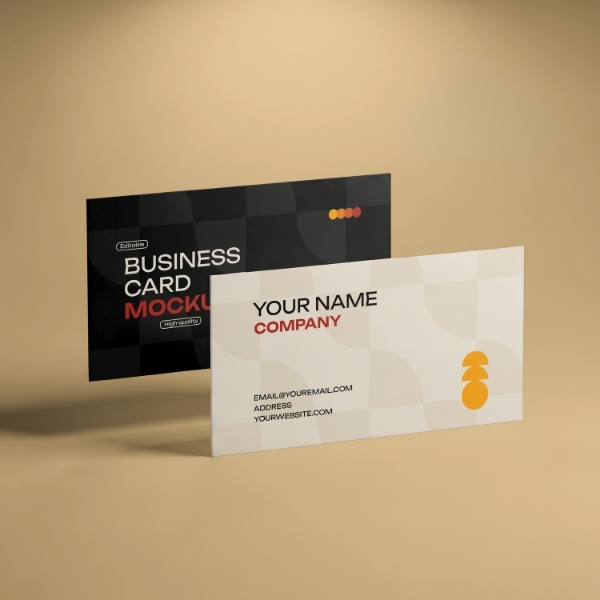
Business Card Printing Dubai
Professional business cards help companies create strong first impressions during meetings, networking events, and client interactions.
Corporate Stationery Printing Dubai
Customised letterheads, envelopes, folders, and office stationery help businesses maintain a consistent professional identity.
Brochure Printing Dubai
Professionally designed brochures support sales presentations, product promotions, and corporate communication.
Company Profile Printing Dubai
Premium company profiles help businesses present their services, capabilities, and achievements professionally to clients and partners.
Flyer Printing Dubai
Custom flyers support marketing campaigns, promotions, events, and business announcements.
Corporate Gift Printing UAE
Branded corporate gifts help companies strengthen relationships with customers, employees, and business partners.
Exhibition Printing Dubai
Businesses participating in exhibitions can combine document printing with banners, brochures, presentation materials, and booth branding solutions.
Related Business Printing Guides
Explore more resources to help your business choose the right printing solutions:
Digital vs Offset Printing – Complete Guide
Understand the differences between digital and offset printing methods, including quality, quantity requirements, cost factors, and suitable applications.
Best Printing Services in Dubai – Complete Business Guide
A complete guide explaining how businesses can select reliable printing companies based on quality, services, turnaround time, and professional support.
Corporate Gift Printing UAE – Branding Ideas for Businesses
Learn how customised corporate gifts can support brand awareness, customer relationships, and business promotions.
Flyer Printing Dubai – Promotional Printing Guide
Discover how professionally printed flyers can support marketing campaigns, events, and customer engagement.
Related Business Printing Case Studies
See how professional printing solutions have helped businesses improve their corporate communication and branding:
Corporate Business Card Printing Project Dubai
A corporate business card printing project focused on premium materials, professional finishing, and consistent brand presentation.
Brochure Printing for a Real Estate Company in Dubai
A real estate company required professionally printed brochures to support property marketing and client presentations.
Last-Minute Exhibition Printing for Multiple DWTC Exhibitors
A time-sensitive exhibition printing project where multiple business materials were produced within a short deadline for Dubai World Trade Centre exhibitors.
Employee Onboarding Gift Sets for a Corporate Organisation in Dubai
A corporate branding project combining customised printed products and employee welcome materials.
Final Expert Insight: Choosing the Right Business Document Printing Partner in Dubai
Business documents are not simply printed materials; they are an important part of how a company communicates, operates, and presents its professional image.
From everyday office stationery to important client proposals, contracts, reports, and corporate presentations, every document represents the organisation behind it. The quality of printing, paper selection, branding consistency, and finishing details can influence how customers, partners, and stakeholders perceive a business.
Choosing the right business document printing company in Dubai helps organisations maintain consistent quality, reduce printing issues, and ensure every document meets professional standards.
A reliable printing partner should understand different business requirements, provide suitable material recommendations, maintain confidentiality for sensitive documents, support customisation needs, and deliver consistent results for both small and large-volume requirements.
At Total Printing Solutions, we provide professional business document printing solutions for companies across Dubai and the UAE. Our services are designed to support daily office operations, corporate communication, client presentations, and long-term business requirements.
Whether you need branded stationery, NCR books, company profiles, reports, manuals, proposal documents, presentation folders, or customised business forms, we help you create printed materials that are professional, practical, and aligned with your brand identity.
The right printed documents do more than share information — they help businesses build credibility, improve communication, and create stronger professional impressions.
Get Professional Business Document Printing Services in Dubai
Looking for a reliable company for business document printing in Dubai?
Total Printing Solutions provides customised printing solutions for startups, SMEs, corporate organisations, and businesses across different industries.
From small office requirements to large-volume corporate printing, we deliver professional quality, customised options, and reliable support for all your business document needs.
Contact Total Printing Solutions today to discuss your requirements and get a customised printing solution for your business.